

Are Duck Necks Good for Dogs? A Balanced Safety Guide
Are duck necks good for dogs? For many healthy dogs, raw or air-dried duck necks can be a useful single-ingredient chew when the size fits the dog, the chewing style is steady, and every session is supervised. They can support mechanical cleaning and provide whole-food nutrients, but they do not replace brushing, veterinary guidance, or professional dental cleanings.
Shop Navan Pet duck necks and choose a clean chew for your dog's supervised routine.
Written by Marco Massini, owner of Navan Pet.
The balanced answer depends on the individual dog. Duck necks are best suited to dogs that chew methodically rather than gulp, and they should be introduced gradually. Never feed cooked duck necks, remove pieces that become small enough to swallow whole, and ask your veterinarian first if your dog has dental problems, digestive sensitivities, or another health condition.
Are duck necks good for dogs? The balanced answer
The short answer is yes. Most experts agree that are duck necks good for dogs because they offer a mix of dental benefits and vital nutrients. These chews help scrub teeth and give your dog's jaw a workout. They also give natural minerals like calcium and phosphorus that support whole-body wellness.
But the best answer depends on how you use them. For most healthy dogs, a single-ingredient duck neck is a safe and helpful pick. It works as a tool for oral hygiene and acts as a high-value reward. The key is to see them as a part of a wider wellness routine, not just a random treat.
What is a duck neck?
A duck neck is a whole-bone chew made from the neck of a duck. These consist of many small, soft bones held together by muscle and tissue. When dried or raw, these bones are flexible and easy for many dogs to break down safely. They offer a dense source of minerals and healthy fats that your pet needs.
Many brands use gentle drying to keep these nutrients in the food. This process removes water while preserving the chew's simple, whole-food character. By choosing a single-ingredient option, you avoid the starches and fillers found in many common store-bought dental sticks. These fillers can often feed the very bacteria you want to remove.
Why dog size matters
While duck necks are great for many, they are not a one-size-fits-all fix. You must look at your dog's size and how they like to chew. Some dogs are "gulpers" who try to swallow treats whole. For these pets, a whole neck might be a risk. You should always watch your dog while they enjoy any chew to keep them safe.
A good daily dog wellness protocol includes checking if a chew fits your dog's needs. Large dogs might finish a neck in seconds, while small dogs might need more time. If your dog has tooth pain, even a soft bone might be too much. Daily chewing helps lower plaque and tartar, but it must be done with care according to a study on dental chew effectiveness.

Nutrients and dental health
Duck necks do more than just clean teeth. They are rich in glucosamine and chondroitin, which help keep joints fluid and strong. This makes them a smart choice for older pets or active breeds. The natural action of chewing also helps lower mouth odor by scraping away the films that lead to bad breath.
Research shows that adding a dental chew to a dog's diet can lead to a better oral microbiome. This shift may support a healthier oral environment over time. By using a natural, whole-food chew, you support mechanical cleaning through chewing. This link between oral care and long-term health is a core part of modern pet care.
Potential benefits of duck necks
Many owners ask are duck necks good for dogs when looking for natural ways to help their pet. These single-ingredient chews give your dog a way to keep their mouth clean with a snack they love. When used as part of a daily dog wellness protocol, duck necks do more than just taste good. They work as a tool for mouth health and give your dog key nutrients from whole foods.
Support for clean teeth
The main way duck necks help is through physical cleaning. As a dog chews, the natural texture of the bone and tissue scrapes the teeth. This helps to rub away soft plaque before it turns into hard calculus. Research shows that adding a dental chew to a dog's diet can lead to a big drop in plaque. One study found that daily chewing helps lower bad breath and improves gum health. It is a simple step.
About 80% of dogs show signs of dental disease by age three. Using a natural chew like a duck neck helps to manage this risk at home. But these chews do not take the place of expert care. You should still use them with daily brushing and vet visits. This full approach keeps your dog's mouth in top shape. It is the best way to avoid long-term pain for your pet.
Natural source of whole food nutrients
Unlike highly made treats, duck necks are a whole-food choice. They are often gently dried to keep the good stuff inside. This means your dog gets protein and minerals without any extra fillers. Many store treats use starches to hold their shape. These starches can feed the bad bacteria in a dog's mouth. By choosing a single-ingredient chew, you avoid those risks and give your dog high-quality food.
Duck necks are also rich in cartilage and tissue. These parts of the neck provide natural ways to get glucosamine and chondroitin. These help to support joint health in active pets. The bone itself is full of minerals like calcium and phosphorus. This makes duck necks a great pick for the benefits of rotating proteins. This switch ensures your pet gets a wide range of nutrients for their whole body.
Mental focus and daily rituals
Beyond health, duck necks offer mental perks for your pet. Chewing is a natural act that helps dogs stay calm. Giving them a tough, natural chew gives them a safe way to use that urge. It can turn a snack into a quiet time of focus for your dog. This kind of mental work is just as vital as a walk for a happy pet. It keeps their mind sharp and their body relaxed.
Using these chews also helps to build a steady daily habit. A firm ritual tells your dog what to expect and helps them feel safe. When you link a healthy chew to a daily task, you create a wellness loop. These small steps lead to a more balanced and fun life for your dog. It is a gift you give them every single day.
What are the limits and risks?
Many owners ask are duck necks good for dogs, but you must still be careful. These chews offer many perks, but you should know how to use them the right way. Every dog has their own way of eating. Some dogs chew slow and take their time. Others may try to gulp their food. Knowing how your dog acts will help you keep them safe.
Safe chewing and watching
The biggest risk with any whole bone treat is the risk of choking. This often happens if a dog tries to swallow a large piece too fast. You must always watch your dog while they enjoy their chew. This helps you make sure they do not swallow it whole. If your dog likes to gulp, you might want to hold one end of the neck. This forces them to gnaw and break it down bit by bit.
Bringing new treats into a diet should be a slow process. Start with short chewing times to see how your dog feels. Some dogs might get an upset gut if they eat too much at once. You can find more tips on how to start a daily dog wellness protocol on our site. Watching for any signs of trouble is the best way to have a happy chewing session.
- Watch your dog at all times.
- Choose the right size for your pet.
- Take the chew away if it gets too small.
- Do not give chews to dogs with weak or loose teeth.
Hygiene and calorie count
Clean habits are another thing to think about. Raw and even some dried treats can carry tiny germs. Some studies show that raw pet foods can have germs like Salmonella (PMC6849757). To lower this risk, pick treats that are dried in a gentle way. You should also wash your hands after you touch any dog treat. Keep the area where your dog chews clean to protect your whole home.
You should also keep an eye on how much your dog eats. Duck necks have fat and protein. They should be a treat, not a full meal. If you give a chew, you might need to give a bit less food at dinner. This keeps your dog at a healthy weight. At the same time, they still get the benefits of rotating proteins. Balance is the key to a long and healthy life for your pet.
Avoiding cooked bones
One rule you must never break is to never feed cooked bones. When you cook a duck neck, the bone becomes dry and hard. This makes it very easy for the bone to snap and splinter. These sharp bits can hurt a dog's throat or their gut. Always stick to raw or air-dried necks. These are soft enough for a dog to crush without making sharp shards that can cause harm.
While chewing helps with plaque, it is not a fix for all teeth issues. Some dogs may have weak teeth that could crack on hard things. If your dog has teeth that hurt, talk to a vet first. Chewing is a great tool, but it works best with expert care (PubMed 24006717). Keeping these risks in mind will help your pet stay strong for a long time.
Which dogs are a good match for duck necks?
Duck necks are a mineral-dense, whole-bone chew. They fit well into a daily dog wellness protocol for many breeds. But not every dog should dive right in. Many owners ask, are duck necks good for dogs in my home? The answer depends on more than just weight. You must look at how your dog eats and their history with natural bones.
About 80% of dogs show signs of dental disease by the time they are three years old. Studies show that daily chewing helps reduce plaque and calculus buildup. This makes duck necks a strong choice for owners who want to avoid highly processed treats. They provide a natural way to keep teeth clean through the grinding of the bone.
Matching size and style
The size of your dog is a good starting point. Smaller dogs often spend more time on a single duck neck. This gives them a better cleaning effect on their back teeth. Large dogs might finish the chew much faster. The table below shows how different dog types match with these chews.
| Dog Type | Bone History | Match Level | Next Step |
|---|---|---|---|
| Small, gentle chewer | New to bones | High match | Offer half a neck first. |
| Medium, steady chewer | Experienced | Ideal match | Feed whole as a daily habit. |
| Large, fast "gulper" | Any history | Low match | Hold one end while they chew. |
| Giant, persistent chewer | Experienced | Medium match | Use as a small dental snack. |
Risks for fast eaters
Some dogs try to swallow their treats as fast as possible. We call these dogs "gulpers." If a dog swallows a large piece of bone, it could lead to a blockage. You must watch your dog every time they have a chew. This helps you spot any risks before they become real problems. Close care is needed for every dog when they start a new treat.
For fast eaters, you can try holding one end of the duck neck. This forces the dog to use their side teeth to grind the bone down. If your dog still tries to gulp it, they may not be a good match. Safety is the most important part of any wellness plan. Always pick a treat that fits your dog's unique way of eating.
Starting a daily protocol
When you introduce a new chew, start slow. Give your dog a few minutes with the neck and then take it away. Watch how their stomach reacts over the next day. Most dogs do very well with duck because it is a lean protein. It can offer a different protein option for dogs whose veterinarian recommends avoiding beef or chicken.
Once you know it is a good fit, make it a habit. Daily chewing works best when it is steady. This helps stop plaque from turning into hard tartar. A steady routine keeps your dog's mouth fresh and healthy. It also provides a good way for your dog to focus during the day. Following a plan helps your dog live a long and happy life.
How to introduce duck necks carefully
Introducing a new whole-food chew into your dog's routine requires a mindful approach. While you might wonder are duck necks good for dogs, the answer depends largely on how you manage the first few sessions. A slow start helps your dog learn the proper chewing technique. It also lets you watch how their system reacts to a new protein source.
Assess your dog's needs
Before you begin, consider your dog's size and how they usually chew. Not every dog is ready for a whole bone chew immediately. If your dog tends to gulp their food, you must be extra alert. For dogs with health issues, a quick talk with your vet is a wise first step. This ensures that a daily dog wellness protocol including bone-in chews is right for them.
The introduction routine
Follow these steps to ensure a safe and positive experience for your dog. A calm setting is key to helping them focus on the task of chewing. This prevents them from rushing through the treat.
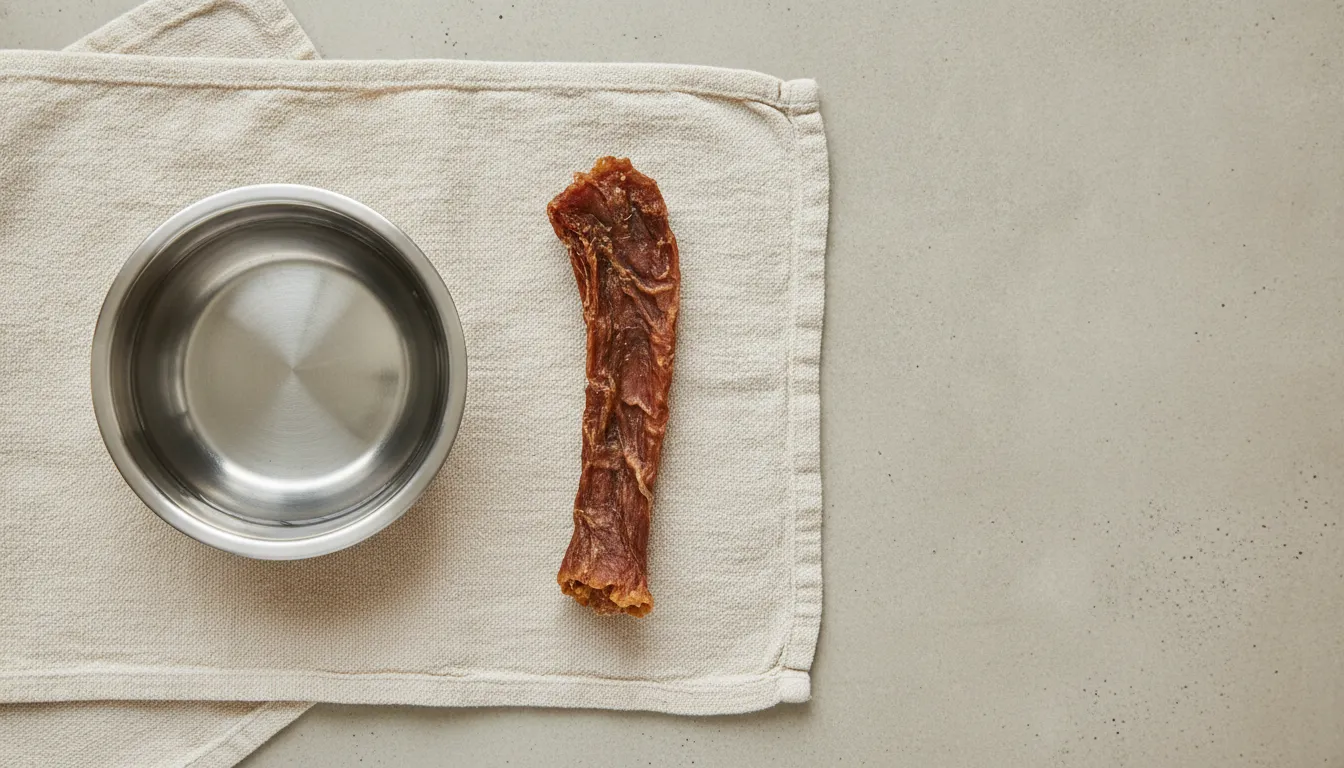
- Select the right size. Choose a duck neck that fits your dog's mouth. It should be large enough so they cannot swallow it whole.
- Pick a calm time. Give the chew when your dog is relaxed and not too hungry. This reduces the chance of high-energy gulping or frantic behavior.
- Supervise directly. Stay with your dog the entire time they chew. This is vital for their safety. It allows you to step in if they try to swallow a piece that is too big.
- Keep the first session short. Let your dog chew for only five to ten minutes at first. This prevents them from overworking their jaw or eating too much rich protein at once.
- Monitor their response. After the session, watch your dog for any changes in their stool or energy. This helps you know if the new food agrees with their gut.
- Practice good hygiene. Always wash your hands after handling any pet chew. Dried pet products can carry microbial hazards. Keeping your hands clean is a simple way to stay safe (NIH, 2019).
Monitor and adjust
If your dog shows signs of stress or if their stool becomes soft, stop the sessions. Give their gut time to rest. You can try again in a few days with an even shorter session. Most dogs adapt fast, but a slow pace is always better than a rushed one. Consistent, safe chewing habits lead to long-term health gains for your pet.
How duck necks fit a daily wellness protocol
Pet health should be handled with the same care as human health. A daily routine is the best way to keep your dog well for a long time. Are duck necks good for dogs as a part of this plan? Yes, because they offer a natural way to clean teeth without the use of junk fillers or starches. Using duck necks for dogs helps you build a solid habit that supports their whole body.
Steady habits for oral health
Most dogs show signs of dental issues by age three. A daily dog wellness protocol can support consistent at-home oral care. Giving your dog a duck neck a few times a week creates a natural grinding action. This simple work helps remove plaque from the teeth and gums. It is a quick step that yields big results for their mouth health over time.
Studies show that dental chews can shift the types of bacteria found in a dog's mouth. The research suggests that some dental chews can influence the oral microbiome. Research published on PubMed confirms that daily chewing helps reduce the build up of tartar on teeth. Staying with this routine is the key to keeping fresh breath and healthy gums in your pet.
Watching and safety
Safety is the main goal when you start a new chewing routine. You should always watch your dog while they enjoy their treat. This helps you learn their chewing style and ensures they do not try to swallow large pieces whole. If your dog is a fast eater, you may need to hold one end of the neck to slow them down. This time spent watching also lets you bond with your pet while they work on their dental health.
Observe how your dog uses their back teeth to crunch the bone. This action is what makes the chew work so well. If you notice any signs of distress or if the bone breaks into sharp bits, take it away right away. Starting slowly with one or two chews a week is a good way to test their tummy too. This careful approach keeps the wellness plan safe and fun for every dog.
A full approach to dental care
Duck necks are a great tool, but they are not the only thing your dog needs. A full plan includes the benefits of rotating proteins to keep their diet varied. Switching between duck, beef, and other sources provides a wider range of minerals. Using different types of food helps support joint health and gut health along with clean teeth. It also keeps your dog excited about their daily wellness work.
You should also include regular brushing and vet visits in your plan. Chews help a lot, but they do not replace the need for expert care. A vet can find deep issues that a chew might miss. By adding single-ingredient treats along with expert cleanings, you give your dog the best chance at a long life. This layered approach ensures that every part of their oral health is covered.
Frequently Asked Questions
Are duck necks safe for dogs?
Yes, duck necks are safe for most dogs when they are raw or dried. You must never feed cooked bones because they can break and hurt your dog. Always watch your pet while they chew to make sure they do not gulp large pieces. Experts at Navan Pet say you should check your dog's chewing style. This keeps the treat safe while your dog enjoys the crunch of the chew.
How often should I feed my dog duck necks?
You can feed duck necks as a part of a daily plan for health. They are a good way to help keep teeth clean. But these chews have many calories. It is best to use them as a treat and not a full meal. About 80 percent of dogs show signs of dental disease by age three. Using these chews once a day can help your dog stay healthy and strong.
What are the health benefits of duck necks for dogs?
Duck necks offer many real gains for your dog. They are full of things like calcium that help bones stay strong. They also help keep joints healthy as your dog grows. These treats have just one part and no bad fillers like grains. This makes them a clean choice for owners who want to give their pets a boost in health. They are a simple way to help your dog live a long and happy life.
Are duck necks good for dog dental health?
Yes, chewing duck necks is a great way to help keep teeth clean. The hard feel of the neck helps rub away plaque from the teeth. A study in PubMed shows that daily chewing can lead to a big drop in plaque buildup. This helps your dog's breath stay fresh and keeps their gums in good shape. It is a plain and easy step to add to your pet's daily care at home.
Ready to shop for our clean, single-ingredient dental chews?
Not helping your dog's dental health can lead to plaque and high vet bills for deep cleanings that require medical sleep and care. Starting a daily chewing routine today stops these issues and keeps your pet's mouth healthy for many years to come with clean items. You will see a cleaner mouth and fresher breath while helping your dog's health with simple and clean steps every single day.
Ready to shop? Visit our online store right now to see our full line of clean items. You can contact us or find everything you need for your dog's oral health here. Visit our shop to shop single-ingredient chews and support your pet's daily wellness right now.