

Dog Gum Health: Spotting Problems and Supporting Healthy Gums
Dog gum health is defined by oral tissues that are firm, moist, and a steady shade of light pink which should fit snugly around each tooth. According to Warrenville Animal Hospital, healthy gums show a quick capillary refill time where the pink color returns in two seconds after you apply light pressure. This healthy color shows that the tissue has enough oxygen and nutrients to fight off harmful bacteria and keep the protective barrier against plaque strong. When these tissues stay strong, they help stop plaque from hardening into tartar or causing swelling that leads to the early stages of painful dental disease. Since most issues start below the gum line where you cannot see them, learning these visual markers is the basis of a daily proactive dental protocol.
Explore the Navan Dental Protocol
The first step in any effective dental protocol is understanding exactly What Healthy Dog Gums Look Like. By checking your dog's mouth daily, you can make sure that they have healthy dog gums that stay firm and pink. This daily dental inspection begins with a quick look at gum color, texture, and moisture levels before any signs of trouble develop.
Dog Gum Health: What Healthy Dog Gums Look Like
Checking your dog's mouth is a key part of a daily health plan. Just like people, dogs show their health through the color and feel of their gums. If you know what looks normal, you can spot small changes before they turn into big problems. Knowing the start point for your pet helps you stay ahead of dental issues and keep their whole body in top shape.
The right color for healthy gums
For most dogs, the best sign of healthy dog gums is a light pink or salmon pink color. This shade shows that fresh blood is moving well through the mouth. While some breeds have dark spots or black patches due to natural skin color, the areas around those spots should still look pink. If the gums look deep red, it may be a sign of soreness or the start of a health worry. You want to see a steady pink tone across the whole mouth.
You should also look for a clean line where the gums meet the teeth. In a healthy mouth, there is no redness or swelling at this gum line. The tissue should blend smoothly with each tooth without any gaps or bleeding. If you notice a dark red ring at the base of the teeth, it could be an early sign of trouble. As the Centers for Disease Control and Prevention (CDC) states, red, swollen, or tender gums are clear signs of gum disease in mammals.
Firm texture and moisture levels
Healthy gums should feel firm and stay flat against the teeth. They should not look puffy or cover parts of the tooth that should be seen. When you touch the tissue, it should not bleed or cause your dog any pain. Firmness is a sign of strong tissue that can hold up to daily use. If the gums feel soft or look like they are pulling back, it may mean the bone below is at risk. This pulling back can expose the roots of the teeth, which is a sign that the gums need more support.
Moisture is another key part of oral health. Your dog's gums should always feel wet and slippery to the touch. This moisture comes from spit, which helps wash away bits of food and keep the mouth clean. If the gums feel sticky or dry, your pet might be low on water or have another health issue. Healthy tissue is moist and firm, which is very similar to human gums in many ways. You should check this moisture level often, as it can change based on how much your dog plays.
How to perform a capillary refill test
A capillary refill test is a quick way to check your dog's blood flow and water levels at home. This test shows how fast blood returns to the small vessels in the gums after you apply pressure. It only takes a few seconds and gives a clear look at your dog's current health. You can do this check as part of your weekly care plan to make sure everything is working as it should. It is one of the best ways for an at-home checkup.
To start the test, gently lift your dog's upper lip. Use your finger to press down on a pink part of the gum for a moment. When you let go, the spot will look white or pale for a short time. In a healthy dog, the color should return to pink within one to two seconds. This fast return shows that the heart and blood vessels are doing their job well. If it takes longer than two seconds for the color to come back, you should talk to your vet to rule out any deep health needs.
Common Signs of Unhealthy Dog Gums
Your dog's gum health can change quickly. Often, the first sign of a problem is not obvious. You must lift your dog's lip to see what is happening inside their mouth. The first stage of gum disease is known as gingivitis. This issue causes the gums to become red and swollen. While healthy gums look pink and firm, unhealthy gums may look dark red or even purple near the base of the teeth.
Early signs of gingivitis
One clear sign of poor gum health is bleeding. You might see a small amount of blood on a chew toy. You may also see it when you brush their teeth. According to the CDC, gums that are red, swollen, or tender are key signs of gum disease. This swelling happens because the body is trying to fight off bacteria. When the gums stay inflamed, they become weak and bleed easily.
The good news is that gingivitis is a reversible state. If you catch it early, you can help your dog's mouth return to a healthy pink color. This stage does not yet involve bone loss. That means you can stop the progress of the disease before it hurts the deep structures of the mouth. Frequent checks at home are the best way to find these early changes in your pet.
Advanced symptoms and halitosis
Constant bad breath is more than just a nuisance. Many people think "dog breath" is normal, but it is often a sign of a deep infection. This state is known as halitosis. It happens when plaque and tartar build up under the gum line. This buildup feeds bacteria that create a foul smell. These bacteria do not stay in the mouth. They can enter the blood and impact the heart, liver, and kidneys over time.
As the issue grows worse, you may notice your dog is slow to eat. They might drop dry food or only chew on one side of their mouth. This happens because their gums feel tender or painful to the touch. Watching for these signs of periodontal disease can help you act before the damage becomes lasting. If your dog paws at their mouth or rubs their face on the floor, they may be trying to find relief from oral pain.
Visible changes to the gum line
You should also look for changes in the shape and fit of the gums. Healthy gums fit snugly against each tooth like a tight collar. In unhealthy mouths, the gums may start to pull away from the tooth. This is called receding gums. It leaves the roots of the teeth open to air and bacteria. This can lead to loose teeth or even tooth loss. The gums may also look thin or frayed instead of smooth and firm.
Tartar is another clear sign of a problem. It looks like hard, brown, or yellow crust on the surface of the teeth. You will usually see it right where the tooth meets the gum line. This crust is very hard to remove and irritates the soft tissue. If you see this buildup, it is a sign that the gums are under stress. Common signs of unhealthy gums include:
- Gums that look bright red or purple.
- Swelling or puffiness along the tooth line.
- Bleeding when the dog chews or during brushing.
- Constant bad breath that does not go away.
- Gums that have moved away from the teeth.
- Hard yellow or brown buildup on the teeth.
Keeping a close eye on these changes helps you stay on top of your dog's wellness. When you find these signs early, you can start a daily protocol to support their oral health. Clean gums are the first line of defense for a dog's long and healthy life.
How Does Gingivitis Progress to Periodontitis?
Many dog owners do not know that gum issues are the most common health check for pets. Studies show that over 80% of dogs show signs of dental disease by age three. This process often starts with gingivitis. This is a swelling of the gums that you can still reverse. At this stage, you may see red or puffy tissue, but the bone and roots are still strong.
If you find gingivitis early, you can fix the damage with a daily routine. Using daily chewing mechanics helps rub away the soft plaque that feeds bad bacteria. But if you miss these early signs, the state can turn into periodontitis. This shift is a big turn for dog gum health because the damage stays for good.
The Move to Lasting Damage
Periodontitis is not like gingivitis because it leads to the loss of bone around the tooth. While you can manage this with a vet, you cannot grow back the lost bone. The bacteria move deep under the gum line. They start to break down the parts that hold the tooth in place. This can lead to pain, loose teeth, and health risks that spread to the rest of the body.
Owners often miss this change because it happens out of sight. You might notice that your dog has bad breath or bleeds a bit when they chew. These are not just small signs of getting old. They are clues that the jawbone may be shrinking. Taking action now is the best way to keep your dog's mouth healthy and free of pain.
The Four Stages of Gum Disease
Vets use a set of four stages to track how far the disease has moved. In Stage 1, your dog has simple gingivitis with some redness but no bone loss. By Stage 2, the swelling has caused early damage to the parts that hold the teeth. This is why a daily plan is so vital to stop the trend before it gets worse.
As the disease moves into Stage 3 and Stage 4, the risk of losing a tooth grows. Stage 4 is the worst phase and involves more than 50% loss of support for the tooth. At this point, a vet may need to pull the tooth to help the dog. Caring for your dog's mouth every day is the best way to avoid these late-stage pains.
| Stage | Condition | Reversible? | What Happens |
|---|---|---|---|
| Stage 1 | Gingivitis | Yes | Red, swollen gums with no bone loss |
| Stage 2 | Early Periodontitis | No | Early attachment loss around the tooth |
| Stage 3 | Moderate Periodontitis | No | 25-50% bone and attachment loss |
| Stage 4 | Advanced Periodontitis | No | More than 50% attachment loss |
How Daily Chewing Supports Gum Tissue Health
Scraping Away Plaque with Direct Action
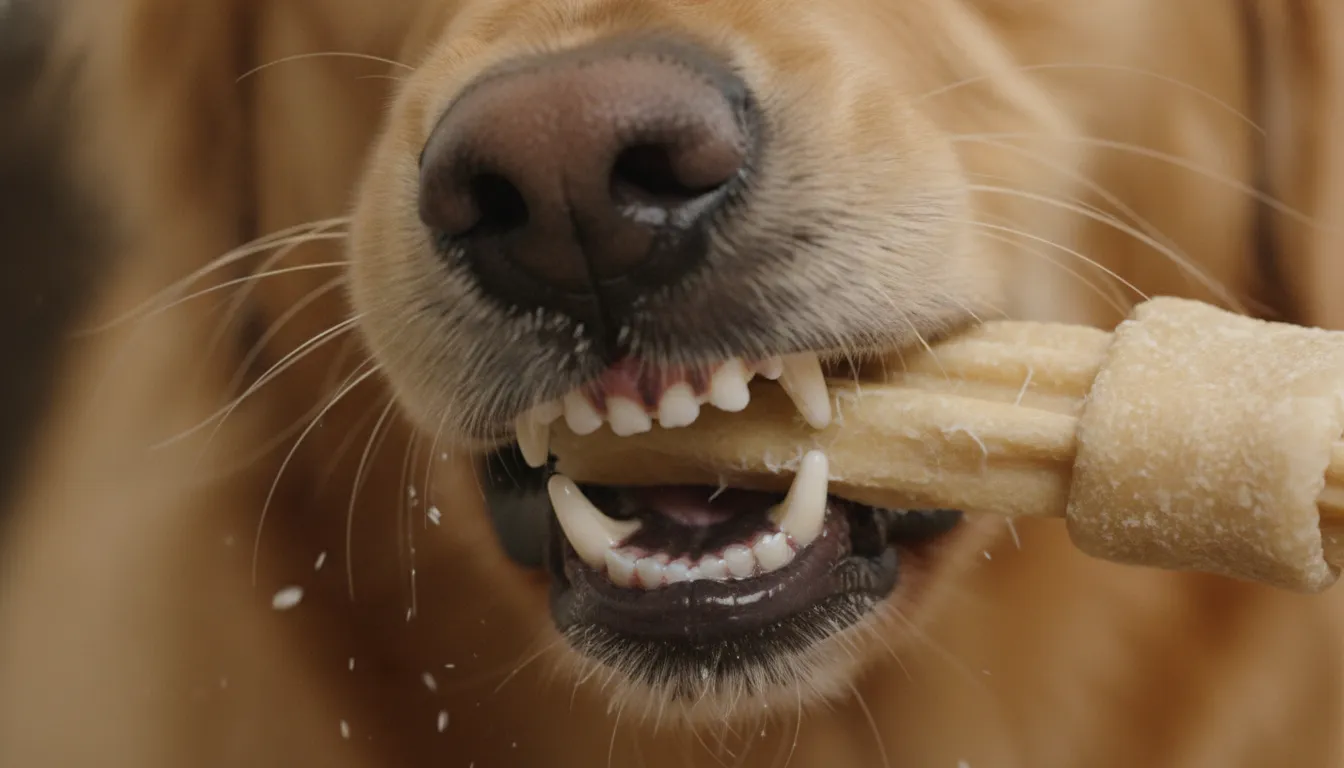
Healthy dog gums need a clean space to stay strong and firm. When your dog gnaws on a firm, single-ingredient chew, the touch of the chew acts like a scrub. The side of the chew rubs against the teeth and the edge of the gums. This motion is a form of direct cleaning that works much like a brush.
It helps to scrape away the soft, sticky film of germs known as plaque. Daily cleaning offers several key gains for your dog:
- It clears plaque from the gaps between the teeth.
- It scrapes both the teeth and the gumline.
- It stops plaque from turning into hard tartar.
This action is most useful when it reaches deep into the gaps between the teeth. Clearing plaque is a race against time for every pet owner. If plaque is not cleared, it starts to get hard and turns into tartar. This can happen in as little as 24 to 48 hours.
Once tartar forms, it is much harder to remove without help from a vet. Regular daily chewing mechanics break this cycle of buildup. By scraping the teeth every day, your dog can stop plaque from setting. This helps prevent the swelling of the gums that leads to more health issues.
Boosting Saliva for a Cleaner Mouth
The act of chewing does more than just clean the surface of the teeth. It also makes the mouth produce a lot of extra saliva. Saliva is a strong tool for a dog's health and daily care. It acts as a natural rinse for the whole mouth and the gum tissue.
Saliva has natural tools that help to break down food bits and germs. This process is a key part of keeping good **dog gum health** through natural means. As your dog chews, the extra saliva flow flushes the area along the gumline. This helps to wash away bits of waste that might else get stuck in small gaps.
When the mouth is moist and clear of old food, germs have a much harder time growing. This natural flushing keeps the gums healthy and helps them stay moist. It also helps to keep the breath fresh by clearing the source of bad smells. Routine chewing provides a simple, useful way to keep the oral space in balance every day.
The Need for Long Chewing Sessions
The kind of chew matters as much as the act of chewing itself. Many common dental treats rely on starches, grains, and glycerin to hold their shape. These items can actually feed the germs that live in a dog's mouth. This can lead to more plaque and worse breath rather than a cleaner mouth.
A better choice is a chew made of real tissue with no added fillers. These chews have a tough, fibrous feel that does not break down right away. As the dog bites down, the tissue wraps around the teeth to reach the gumline. This creates the rub needed to clean the mouth well.
Time is the final piece of the puzzle for a healthy mouth. A quick treat that a dog eats in seconds does not offer much help to the gums. For a chew to work well, the dog needs to spend 20 to 40 minutes on it. This long time allows for enough contact time to clean every part of the mouth.
This steady work is a core part of a daily dental protocol. When you make chewing a daily habit, you give your dog the tools they need for long-term health. This slow, steady approach is much more useful than giving rare treats. It builds a strong base for your dog's wellness.
What Does a Daily Gum Care Routine for Your Dog Look Like?
Keeping your dog's mouth clean is a key part of their total health. A solid plan helps stop pain and tooth loss as they age. Most pet owners know about brushing, but a full plan includes much more than just a brush.
Sticking to a daily habit is the most vital part of oral care. Plaque can start to turn into hard tartar in just 24 to 48 hours. Once tartar forms, you cannot brush it away at home. This is why a daily habit is much better than a deep clean once a month.
Daily Brushing at Home
Brushing is the best way to care for dog gum health. You should use a soft brush and paste made just for dogs. Never use human toothpaste because it often has xylitol, which is toxic to pets.
Try to brush your dog's teeth at the same time every day. This helps them get used to the feel and taste. Start slow by letting them lick the paste first. Then, move to light circles on the outer teeth where plaque builds up most.
The Role of Daily Chewing
Not all dogs like the brush, and that is where chews can help. High-quality treats give a mechanical clean as your dog bites down. The texture of the chew scrapes away film before it can turn into hard tartar.
Choosing the right treat is a big part of a good plan. Many store-bought bones use starches that can feed bad bacteria. Look for the starch-free dental chews for dogs that use real animal tissue. These offer a better scrape and keep the gums firm.
Working with Your Vet
Home care is great, but it does not replace the pros. A yearly dental checkup is a vital step to find early signs of disease. Your vet can see things deep under the gum line that you might miss.
During these visits, a vet might suggest an expert cleaning. This is done while the dog sleeps to keep them calm and safe. They can clear away tartar and check for loose teeth. Keeping up with these visits ensures small issues do not turn into big, costly problems.
- Brush teeth daily: Use a dog-safe paste to clear away soft plaque from the surface of the teeth and gums.
- Give a daily chew: Provide a single-part chew to help scrape away debris through natural chewing.
- Check the gums: Look for redness, swelling, or bad breath at least once a week to catch issues early.
- Visit the vet: Schedule a yearly exam to get an expert view of your dog's oral health and deep cleaning if needed.
- Stay steady: Stick to your schedule every day to stop plaque from turning into hard tartar.
When to See a Veterinarian About Your Dog's Gums
While a daily plan of healthy chewing helps your dog's mouth, it does not replace the skill of a vet. Checking your dog's mouth helps you spot changes that need an expert look. Some issues go deeper than the surface of the gums. These problems need health care to manage. If you see long-term redness or swelling that does not get better with home care, it is time for a checkup.
Finding the warning signs
Healthy dog gums should stay firm and pink. If you see red, swollen, or tender gums, your dog may have the start of gum disease (F006). Bleeding is another clear signal. You might see blood on a chew toy or a pink tinge in your dog's water bowl. These signs of periodontal disease show that germs have moved below the gum line.
Later issues often change how your dog eats. You might see them drop food or paw at their mouth after a meal. Foul breath is also a concern. While no dog has minty breath, a strong smell often points to an illness. More serious signs include loose or missing teeth and visible gum loss. When gums pull away, they expose the tooth roots. This stage, known as periodontitis, involves lasting bone loss and tissue damage (F005).
Expert cleanings vs home care
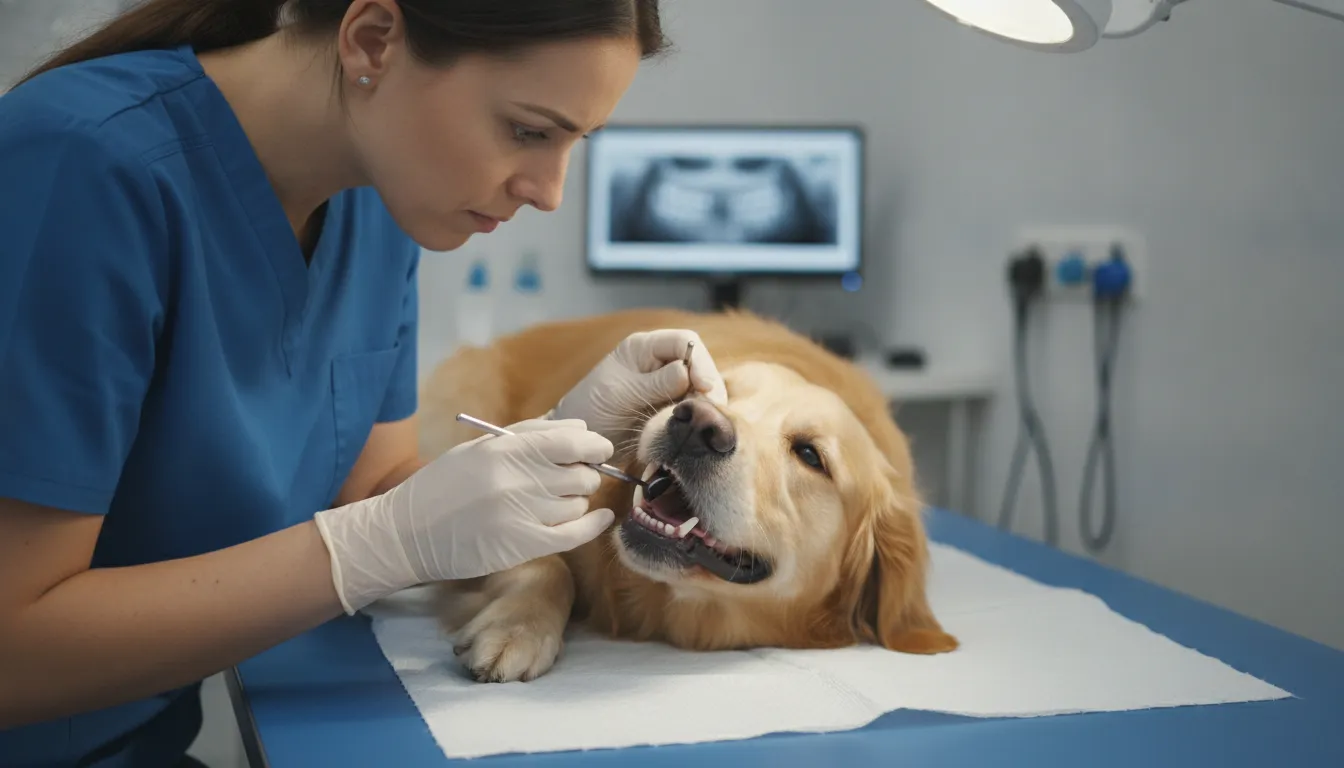
An expert dental cleaning is a deep health process. It is unlike the scraping action made by daily chews. During a visit, the vet will scale the teeth to remove tartar. They also polish the tooth layer to make it harder for new plaque to stick. This process is vital. Expert care is needed to manage disease once it moves past the early stages (F021).
Daily home care helps maintain healthy dog gums between these visits. Using single-ingredient chews provides the scraping needed to reduce plaque build-up. Think of home care as daily upkeep and the vet visit as a full reset. Both are needed to ensure your dog lives a long, happy life.
The role of anesthesia
Vets perform dental exams under anesthesia for the safety and comfort of your dog. This allows the vet to take X-rays of the jaw. Much of the damage from gum disease happens under the gum line. X-rays are the only way to find bone loss. Anesthesia also lets the vet clean deep into the pockets around each tooth without causing stress or pain.
Once the vet finishes the exam, they can give you a clear map of your dog gum health. They may suggest changes to your routine or find teeth that need extra care. Steady checkups ensure that small issues do not turn into chronic pain. By using expert skill with a clean daily plan, you give your dog the best chance for lasting wellness.
Frequently Asked Questions
What do healthy dog gums look like?
Healthy dog gums should be a firm, light pink color. They should feel moist to the touch and fit snugly around your dog's teeth. When you gently press on a healthy gum, the spot should briefly turn pale. It should return to its pink color within one to two seconds. This quick change shows that your pet has good blood flow. Dry or dark red gums can be signs that your dog needs a checkup from a vet.
What are the signs of unhealthy dog gums?
Unhealthy dog gums often look red, swollen, or puffy. You may notice bleeding when your dog eats or plays with toys. Constant bad breath is another common sign of gum issues. According to the CDC, signs of gum disease include tender or bleeding tissue. If your dog has loose teeth or seems to be in pain while chewing, these are clear signs of deep dental disease that needs expert care.
How long does it take for plaque to turn into tartar?
Plaque is a sticky film that forms on teeth every day. If you do not remove it with brushing or chewing, it can harden into tartar very quickly. Facts show that plaque mostly turns into tartar within 24 to 48 hours. Once tartar forms, it creates a rough surface that attracts even more bacteria. This buildup can lead to swelling and damage the gum line if it is not fixed by a daily cleaning plan.
Can daily chewing help improve dog gum health?
Yes, daily chewing is a very good way to support gum health. Chewing on real animal tissue provides a natural scraping action. This helps clean away soft plaque before it hardens. This process also helps your dog make more saliva. Saliva has natural tools that protect the mouth. Unlike starch-heavy treats that feed bad bacteria, slow chewing on natural textures helps keep the gum line clean. This reduces the risk of swelling and disease.
Ready to start supporting your dog's gum health?
Ignoring your dog's gum health lets plaque turn into hard tartar in just one or two days. Once this thick buildup forms, it is hard to remove and can cause deep mouth harm. Waiting too long leads to red and swollen gums that make it hard for your dog to eat. Start a regular routine today to stop this cycle before it leads to tooth loss or pain. The benefit of starting now is that you can keep your dog's gums firm and healthy with easy daily steps. It takes much less time to keep gums clean than it does to fix big dental problems later. Taking this small step today keeps your dog happy for a long time. Your pet needs you to act now to keep their mouth in top shape.
Ready to start? Explore the dental protocol to request more info and start your dog's daily dental protocol.