

Dog Longevity: How Daily Dental Care Extends Your Dog's Lifespan
Red, swollen gums in young dogs are often the first sign of systemic organ stress. This localized inflammation does not stay in the mouth; it introduces harmful bacteria directly into your pet's bloodstream.
Dog longevity is closely linked to daily dental care because poor oral health triggers chronic inflammation that travels throughout your pet's entire body. Vet data from Belle Mead Animal Hospital shows that eighty percent of dogs develop gum disease by the young age of three. This untreated oral disease leads to a deep plaque biofilm that damages local gums and lets harmful mouth bacteria leak directly into the bloodstream. This continuous bacterial spread creates severe systemic stress, which can directly cause chronic kidney dysfunction, liver inflammation, and serious heart valve infections. Preventing this quiet decline with daily brushing and pure natural dental chews keeps your dog's mouth clean while supporting a longer, healthier life.
Understanding how a clean mouth protects these vital organs is a crucial step for your dog's daily dog wellness protocol. In our first section, The Mouth-Body Connection: How Dental Disease Affects Your Dog's Organs, we look closely at how oral bacteria spread. The path begins with
Start Your Dog's Daily Wellness Protocol
The Mouth-Body Connection: How Dental Disease Affects Your Dog's Organs
Many pet owners think of dental care as a chore or a way to cure bad breath. But a dog's mouth is the primary gateway to their entire body. There is a deep, proven link between oral health and systemic wellness. In fact, about 80 percent of dogs show signs of gum disease by age three. When left unchecked, these issues can lead to much larger health problems that impact dog longevity.
The silent onset of gum disease
This whole-body process starts with a quiet buildup on the tooth surface. The disease begins when a polymicrobial biofilm, commonly known as dental plaque, forms on the teeth. This living film of bacteria soon triggers a local host inflammatory response. At first, you may only see mild redness or slight swelling along the gumline. But this early stage is already an active immune response to harmful bacteria.
How bacteria reach vital organs
If you do not stop the plaque, the inflammation grows deeper. Healthy gums act as a tight seal to keep bacteria out of the body. But chronic gum disease damages this tissue and breaks the seal. The sensitive gums become weak, sore, and bleed easily during play or meals. These bleeding sites are tiny open wounds. They give bacteria a direct pathway to enter your dog's bloodstream.
Once inside the blood vessels, the bacteria travel throughout the entire body. These microbes soon cling to vital organs. Once there, they cause serious damage. Veterinary research shows clear links between gum disease and chronic kidney dysfunction. The infection can also cause liver inflammation and make diabetes much harder to control. In some cases, it leads to endocarditis, which is a life-threatening infection of the dog's heart valves.
Chronic stress on the immune system
Even when the bacteria do not cause acute organ failure, they still harm your dog. Poor oral hygiene creates a chronic source of inflammation in the mouth. This keeps your dog's immune system under constant stress. The body must waste valuable energy trying to fight this daily infection. Over time, this ongoing struggle wears down the dog's defenses and leaves other organs vulnerable to disease.
Dog longevity is not just about genetics or luck. It is about reducing the daily stress on your dog's body. By managing plaque early, you stop systemic inflammation before it can take root. This simple shift in care helps protect your dog's heart, kidneys, and liver from unnecessary wear. A clean mouth is one of the most powerful tools you have to support a long, active life.
Can Dental Disease Really Shorten a Dog's Lifespan?
Many dog owners view bad breath as a minor annoyance rather than a medical issue. But science shows that oral disease is a silent threat to dog longevity. When bacteria multiply in a dog's mouth, they trigger a constant immune response. This chronic inflammation soon enters the bloodstream and flows to major organs, causing widespread damage over time.Chronic inflammation and organ stress
When a dog has diseased gums, bacteria enter the blood every time they chew. The immune system must work without a break to fight these invaders. Over time, this constant fight stresses the heart, kidneys, and liver. This daily strain can wear down vital organs, making daily oral hygiene a vital part of supporting long-term health and wellness. This whole-body connection means that gum health is vital for canine longevity. When oral issues are left untreated, they create a permanent burden on the immune system. Helping your dog maintain a clean mouth is one of the most effective ways to reduce daily organ stress.The four stages of oral decline
Veterinary experts explain that dental disease in dogs goes through four defined stages. Stage one starts with mild plaque and red gums, which is still easy to reverse. However, as plaque hardens into tartar, the condition worsens. If you do not stop this cycle, bacteria soon spread deep beneath the gum line and damage supporting tissues. By stage four, the disease becomes severe and highly dangerous. Stage four dental disease causes over fifty percent permanent bone loss around the teeth. This deep bone loss can never grow back, causing constant pain and loose teeth. Owners can protect their pets by detecting early signs of oral disease before severe bone loss starts.Why age and size multiply the risk
A major study analyzed health data to find how these risks change. Research from canine insurance records shows that the rate of age-related increase in periodontal disease risk is steady and clear. The study also found that a dog's body size links to its baseline risk. Smaller dogs often start with a higher risk at a young age, but all dogs face a growing threat as they age. Because of this rising risk, older dogs need closer attention and regular care. Older pets need more frequent checks for oral health problems to manage the buildup of inflammation. Catching gum disease early is the best way to prevent chronic organ strain. By keeping their mouths clean, you can support your dog's strength and longevity.Beyond Brushing: Why Daily Chewing Mechanics Matter for Oral Health
Many dog owners know that brushing is the gold standard for oral care. But keeping your dog's mouth clean needs more than a weekly brush. Daily chewing works like a natural brush to scrape plaque before it turns to tartar. Learning how to support this habit starts with identifying pure whole-food dental chews for your dog.
How mechanical chewing cleans teeth
When dogs chew on tough, fibrous treats, they use their back teeth. This motion scrapes soft plaque off the tooth surface. As the tooth sinks into the chew, it rubs away soft buildup. This scraping helps keep the gums healthy and clean.
This physical scrubbing action targets the hard-to-reach areas of the mouth. Dogs chew with a shearing motion that slides treats along their teeth. This sliding action acts like dental floss, reaching the tight gaps near the gumline. By scraping these spots daily, you can help stop plaque from building up in areas where brushes often miss.
Studies show that home plaque control is vital. Managing dental plaque is a key step to stop tooth loss and other health problems. Research in the National Institutes of Health database shows that plaque control is needed to stop local damage and body-wide illness. Safe, daily chewing gives dogs the active work they need to keep their mouths clean.
Why starches backfire in dental treats
Many standard dental treats contain high levels of starches, wheat, and potato starch. While these treats may seem helpful, they often cause more harm than good. Starches and fillers in these chews feed the harmful bacteria in a dog's mouth. These bad bacteria eat the sugars from the starches and grow quickly, which can make plaque build up faster.
When starchy treats mix with spit, they form a sticky paste. This paste clings to the teeth and gets trapped between them. Instead of cleaning the mouth, this paste stays on the teeth and feeds plaque biofilms. This means that feeding highly processed dental treats can actually make dental hygiene worse over time.
A simple step to protect dog longevity
To support your pet, swap out starchy treats for pure, single-ingredient choices. Using a clean chew like a rabbit stick gives natural chewing work without feeding bad bacteria. This keeps the teeth clean and stops plaque before it starts. A clean mouth lowers stress on your dog's immune system, which is a major factor in promoting dog longevity.
Choosing clean chews is an easy way to build a daily wellness routine. When your dog chews on real whole-food treats, their mouth gets a deep mechanical clean. This daily care supports their teeth and gums without any harmful fillers. Over time, this simple change helps protect your dog's body and supports a long, active life.
What Veterinary Research Says About Prevention vs. Treatment
Early oral care is one of the most powerful tools to support dog longevity. Many pet owners wait until their dog shows signs of dental pain before seeing a vet. By then, deep tissue damage has often already started. Research by vets proves that daily dental care prevents these painful issues from starting in the first place.
| Aspect | Preventive Daily Dental Care | Treatment of Advanced Dental Disease |
|---|---|---|
| Approach | Brushing + daily whole-food chews + regular exams | Professional cleaning under anesthesia, extractions, antibiotics |
| Cost | Low (toothbrush, single-ingredient chews, routine vet visits) | High (anesthesia, surgical procedures, follow-up medications) |
| Health Impact on Organs | Reduces chronic inflammation, protects heart, kidneys, and liver | Stops or slows existing organ damage but cannot reverse it |
| Bone Loss | Prevents loss by stopping plaque progression | Cannot regenerate bone loss at Stage 4 (>50% already lost) |
| Pain for the Dog | Minimal to none | Significant pain from advanced infection, loose teeth, abscesses |
| Longevity Outcome | Supports full natural lifespan by reducing systemic inflammatory burden | May extend life but cannot undo years of accumulated organ stress |
The Prevalence of Oral Inflammation
Studies show that gum disease is not a rare issue. In fact, a PMC study confirms that periodontal disease is one of the most prevalent oral inflammatory diseases in dogs. This means that most dogs will face some level of oral swelling and pain.
When plaque builds up on the teeth, it forms a sticky film of germs. This film triggers a strong local immune response that leads to constant swelling in the gums. Over time, this constant immune response strains vital organs.
Stopping this issue is much better than trying to treat it later. Once bone damage occurs, the harm is permanent. Starting a daily routine helps in detecting early signs of oral disease. This habit prevents pain.
Proactive Care vs. Reactive Medicine
Veterinary experts agree that early plaque care is the best way to support dog longevity. According to clinical data, preventive care is far more effective than treating advanced disease. Waiting until bone loss occurs makes treatment much harder.
When a dog reaches the later stages of dental decay, the bone loss is permanent and cannot grow back. Late treatments like surgery are painful and costly. By contrast, a daily brushing and chewing routine prevents plaque from turning into hard tartar.
Bi-Annual Exams for Lifelong Wellness
Regular checkups are another key part of an early care routine. Expert guidelines advise that dogs get proactive wellness exams every six months. These frequent visits are vital for older dogs.
They allow your vet to spot oral issues early and monitor overall health. This helps manage ongoing issues before they grow worse. Catching dental issues early protects your pet's vital organs from the stress of chronic swelling.
Building a Dog Longevity Protocol: Daily Dental Care That Works
Every choice you make for your dog shapes their health and lifespan. Taking care of their teeth is a key part of supporting dog longevity. Oral health, gut health, joint health, and whole-body wellness are deeply linked. When you build a daily dog wellness protocol, you help lower organ stress caused by chronic inflammation. Keeping their mouth clean is a simple way to help them live a long, active life.
Oral Health and Canine Longevity
Tooth and gum issues are not just local problems in the mouth. Chronic swelling in the gums lets harmful microbes enter the blood. Over time, this stress hurts the heart, liver, and kidneys. According to a study on pet dogs, plaque control is needed to stop these body-wide issues. Daily care helps protect these vital organs and keeps your dog strong as they age.
A Consistent Daily Ritual
Being consistent is the secret to good pet dental health. Daily wellness rituals, including brushing and chewing mechanics, are the best way to stop plaque buildup. Working on your dog's teeth every day keeps film from hardening into tartar. Once tartar forms, only a vet can safely scrape it off. Making dental care a daily habit keeps your dog's mouth clean and fresh.
Steps for Daily Dental Success
You can set up a simple dental routine at home to help your dog thrive. Follow these five steps to protect your dog's teeth and support their overall health.
- Start with daily brushing. Use a soft brush and dog-safe paste to clean their teeth. Never use human toothpaste, as ingredients like xylitol are highly toxic to dogs.
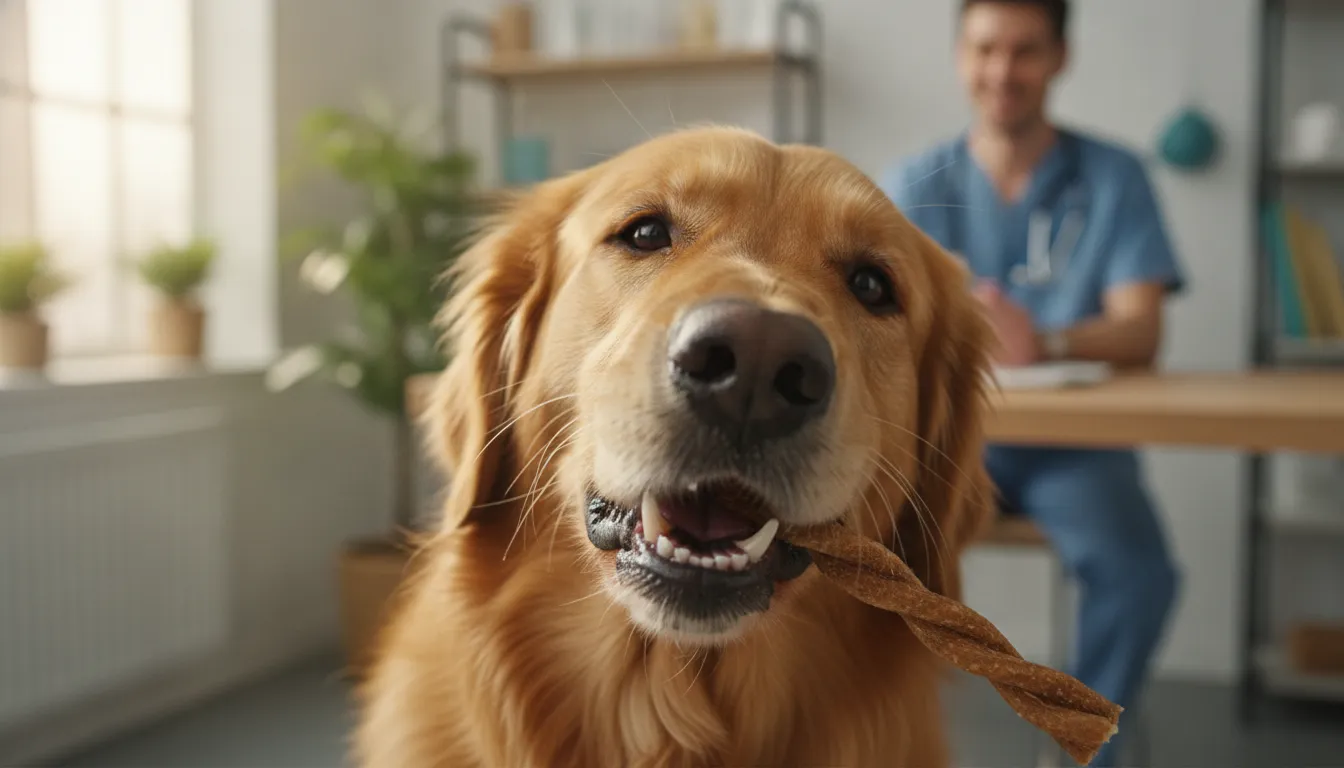
- Give whole-food chews. Give collagen sticks for daily chewing to rub plaque off teeth naturally. Chewing is a great workout that scrapes teeth clean through friction. Always choose pure, single-ingredient options.
- Avoid starches and fillers. Read labels carefully and skip chews with starches, grains, or binders. These processed starches feed bad oral bacteria, which makes plaque grow faster and harms the gut.
- Stay consistent with the routine. Clean your dog's mouth at the same time every day. Plaque can turn to tartar in less than thirty-six hours, so daily care is vital for success.
- Schedule regular veterinary visits. Home care is great, but daily chewing and brushing do not replace a professional veterinary cleaning. Have your vet check your dog's mouth every six months to catch issues early.
When to See a Veterinarian About Your Dog's Oral Health
Four stages of canine gum disease
Gum health plays a vital role in your dog's daily life. According to data from the National Institutes of Health, gum issues are very common in companion dogs. These problems often start with soft plaque on the teeth. If you do not clean it, the plaque turns into hard tartar and causes swelling.
Canine gum disease progresses through four distinct stages. At first, you may only see light yellow tartar on the teeth. By stage four, the damage is severe, with more than 50% permanent bone loss around the teeth. This bone loss is lasting and cannot grow back.
Early warning signs for dog owners
Many dog owners miss the early warning signs of mouth pain. Dogs are good at hiding their pain, so you must watch them closely. By detecting early signs of oral disease, you can take action before the issues become severe. Catching these signs early helps keep your pet safe.
Bad breath is often the very first sign of a problem. You should also look for red or bleeding gums and yellow tartar on the teeth. Some dogs may have a hard time eating, drop their food, or chew on just one side of their mouth.
Professional cleanings and older dog care
Regular vet checks are a key part of supporting dog longevity. Research in the National Library of Medicine shows that the risk of gum disease rises as dogs grow older. Because of this, vets suggest a mouth exam every six months for senior pets.
Home checks help. But your pet will still need professional cleanings to remove hard tartar. These visits let vets find and treat deep issues under the gum line where a brush cannot reach. A full cleaning protects the teeth and keeps the gums strong.
Clinical studies show that managing plaque is vital to protect your dog's heart, kidneys, and liver. If left untreated, mouth bacteria can enter the bloodstream. This process puts constant stress on major organs and can shorten your pet's life. Regular vet care prevents this stress and helps your dog thrive.
Frequently Asked Questions
Does dog dental care affect lifespan?
Yes, oral hygiene strongly affects a dog's lifespan. Gum disease is very common, hitting about 80 percent of dogs by age three. When harmful mouth bacteria enter the blood, they can travel to vital organs. This process is linked to liver issues, kidney damage, and heart valve infections. By stopping this organ strain, daily care helps your dog live a long, healthy life.
Do professional dog dental cleanings help with longevity?
Yes. Vet dental cleanings are vital to stop advanced gum disease. Research shows that managing plaque is key to stopping both tooth loss and serious health issues in other organs. According to veterinary research, older dogs need these proactive exams every six months. Cleanings clear away hard plaque that daily brushing cannot remove, which reduces chronic swelling and helps pets live longer.
How can I increase my dog's lifespan?
You can support dog longevity through daily wellness habits. A healthy whole-food diet, regular exercise, and daily dental care are all key. In fact, oral care is one of the easiest ways to protect vital organs. Adding natural, single-ingredient chews to your dog's routine helps rub away plaque as they chew. According to pet health guidelines, a steady daily routine that avoids starches and fillers prevents chronic swelling and helps your dog stay strong.
Can daily chewing replace brushing a dog's teeth?
No, chewing does not replace brushing. Both habits are needed for a complete routine. Brushing cleans flat tooth surfaces, while chewing natural treats rubs hard-to-reach areas. According to the National Institutes of Health, plaque buildup is a constant challenge for dogs. Using both brushing and chewing is the best way to keep your dog's mouth clean and protect their long-term health.
Ready to Start Your Dog's Daily Wellness Protocol?
Ignoring daily oral hygiene allows plaque to build up fast, which soon stresses your dog's vital organs and weakens their immune system. Starting a simple, daily chewing habit keeps their mouth clean, prevents bad breath, and adds many years of active happiness to their life. By taking this easy step right now, you help your pet avoid complex health problems and enjoy a much longer, healthier path together.