

Dog Longevity Protocols: How Daily Chewing Transforms Whole-Body Health
Dog longevity protocols center on preventing systemic inflammation through daily oral hygiene, gut microbiome support, and cognitive enrichment in a single, consistent ritual. Starch-free, single-ingredient chews mechanically remove plaque and prevent oral pathogens from entering the bloodstream where they could compromise vital organs. These chews simultaneously provide mental stimulation while supporting a balanced gut microbiome by eliminating the hidden starches and fillers common in conventional pet treats. Peer-reviewed research demonstrates that more frequent professional dental scaling correlates with a reduced hazard of death in dogs (PubMed 30870610), underscoring how consistent oral care shapes long-term health outcomes. By establishing daily chewing as a foundational wellness habit, owners can support their dog's health across every dimension of longevity through the power of pure, species-appropriate nutrition.
Start your dog longevity protocols with pure, single-ingredient chews designed for daily wellness.
Dog Longevity Protocols: The Oral-Systemic Connection: How Dental Health Drives Systemic Inflammation in Dogs
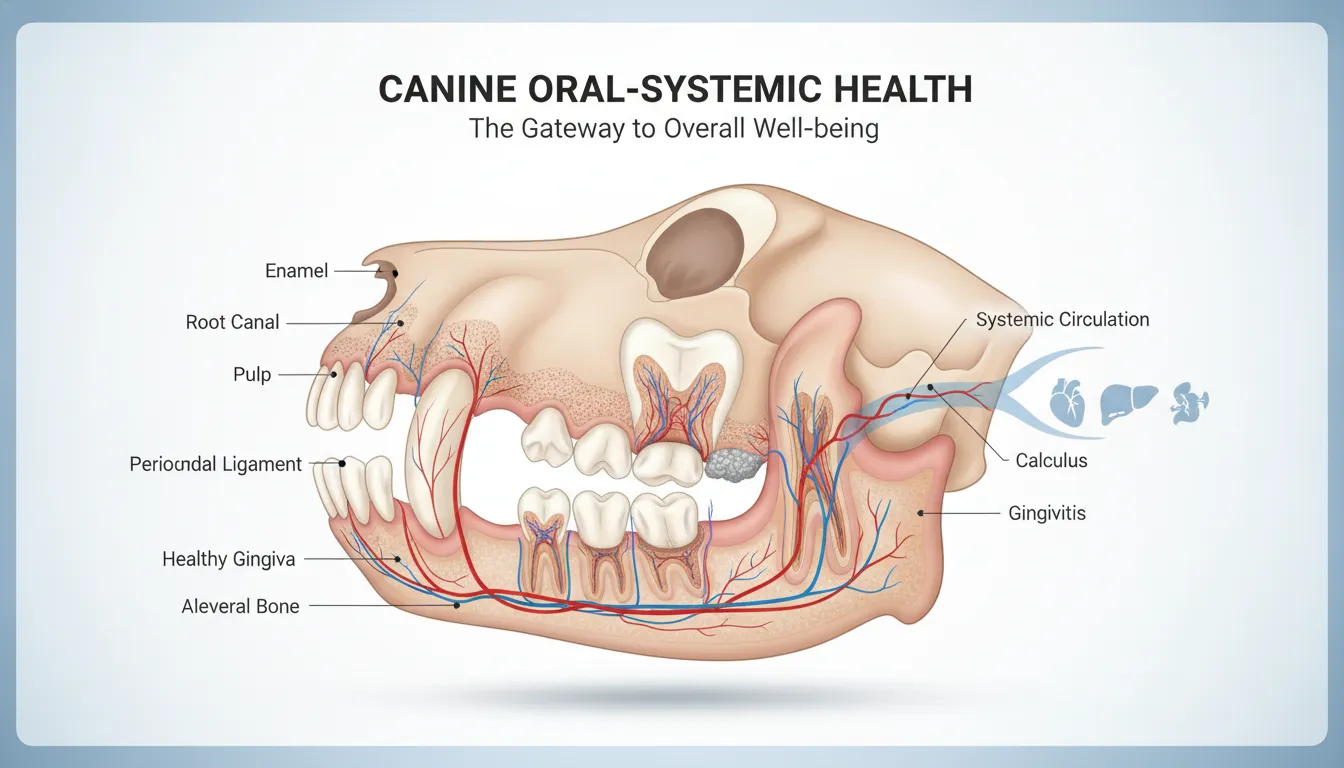
Periodontal disease does not remain confined to the oral cavity. Pathogenic bacteria enter the bloodstream through compromised gum tissue and travel to the heart, liver, and kidneys, provoking systemic inflammation that accelerates biological aging. This oral-systemic link positions daily dental care as a cornerstone of any longevity-focused wellness protocol.
Periodontal disease is the most prevalent chronic condition in companion dogs, affecting a substantial majority by three years of age (veterinary prevalence data). What many owners dismiss as simple halitosis is often the earliest indicator of active oral pathology with systemic consequences. The oral cavity serves as a portal for pathogenic bacteria to enter circulation. When gingival integrity is compromised, these microorganisms gain direct access to the bloodstream and disseminate to distant organ systems.
Cardiovascular and organ impact
Gum disease functions as a persistent inflammatory nidus. Oral pathogens entering the bloodstream trigger an immune response that, when sustained over months and years, contributes to endothelial dysfunction and valvular damage. Research documents a robust association between periodontal disease severity and cardiovascular events in canines (heart infection risk in dogs). The kidneys and liver also bear the burden of filtering bacteria and inflammatory byproducts from circulation, accelerating age-related decline in these organs.
Dental prophylaxis and mortality risk
A landmark epidemiological study examining over 20,000 dogs found that routine professional dental scaling was associated with a statistically significant reduction in all-cause mortality hazard (PubMed 30870610). The dose-response relationship was clear: each additional dental cleaning correlated with lower mortality risk. This positions dental care as one of the few modifiable risk factors owners can actively control, independent of genetic predisposition. The data transforms oral hygiene from a cosmetic concern into a genuine longevity intervention.
Chronic inflammation as an aging accelerant
Inflammaging, a concept well established in human longevity research, applies with equal force to canine biology. Persistently elevated inflammatory markers accelerate telomere shortening, impair mitochondrial function, and degrade tissue repair capacity. Periodontal disease is a chronic source of such inflammation, keeping the immune system in a prolonged state of activation that diverts energy from cellular maintenance and repair. Reducing this inflammatory burden through daily oral care may represent one of the most impactful interventions available to owners seeking to extend both lifespan and healthspan.
Why Does Daily Chewing Matter More Than Toothpaste for Oral Health?
Chewing delivers mechanical abrasion that toothpaste alone cannot replicate. The physical scraping action of species-appropriate chews removes supragingival plaque from tooth surfaces while stimulating gingival blood flow and exercising the jaw. Starch-free, single-ingredient chews achieve this without introducing fermentable carbohydrates that feed cariogenic bacteria.
Canine dentition evolved for tearing, crushing, and grinding. This evolutionary heritage means the mechanical action of chewing is a biologically appropriate cleaning mechanism. While toothbrushing with dog-safe enzymatic toothpaste is valuable, the physical scraping effect of a dense. Natural chew reaches interproximal spaces and the gingival sulcus in ways a brush alone cannot.
The biomechanics of natural chews
When a dog bites into a dense, single-protein chew, the edges create abrasive friction against the enamel surface. This mechanical action dislodges the pellicle before it mineralizes into calculus. Research on plaque control in canines demonstrates that appropriate chew materials significantly reduce plaque accumulation compared to diet alone. The resistance offered by natural protein chews also strengthens periodontal ligaments and increases gingival circulation, supporting the structural integrity of the tooth-gum interface.
The starch problem in conventional dental treats
Most mass-market dental chews rely on starches such as potato flour, pea starch, or tapioca as binding agents. These carbohydrates are enzymatically broken down into simple sugars in the oral cavity, providing substrate for acidogenic bacteria. The resulting pH drop in dental plaque promotes demineralization of enamel and favors the growth of pathogenic species. This creates a paradox where a product marketed for dental health may actively contribute to the carious environment it claims to address. Starch-free alternatives eliminate this contradiction entirely, removing the fuel source for pathogenic oral bacteria while preserving the mechanical benefits of the chewing action itself.

Rotational chewing for comprehensive coverage
A strategic rotation of chew shapes, densities, and textures ensures uniform cleaning across all dental arches. Rotational protocols using products with different physical properties such as rabbit ears, duck necks, and beef skin challenge the dog to engage varied muscle groups and tooth surfaces. This prevents the formation of plaque refugia, areas where unchallenged biofilm accumulates over time. It also provides cognitive variety that sustains engagement and prevents habituation.
From Mouth to Microbiome: How Oral Health Shapes the Gut
The oral cavity and gastrointestinal tract form a continuous biological corridor. Pathogens and inflammatory mediators from periodontal disease are continually swallowed, directly influencing the composition of the gut microbiome. A dysbiotic oral microbiome can seed dysbiosis downstream, impairing nutrient absorption, immune regulation, and the production of short-chain fatty acids linked to metabolic health.
The oral-gut axis describes the bidirectional relationship between the microbial ecosystems of the mouth and the intestines. Dogs swallow saliva continuously throughout the day, and when that saliva carries a heavy burden of periodontal pathogens, those microorganisms establish residence in the gastrointestinal tract. Research increasingly demonstrates that oral health status is a significant determinant of gut microbiome composition in both humans and companion animals.
The oral-gut axis in canine physiology
Approximately 70 percent of the canine immune system resides in gut-associated lymphoid tissue. When oral pathogens translocate to the gastrointestinal tract, they compete with commensal bacteria for resources and adhesion sites. This dysbiosis compromises the intestinal barrier, potentially allowing lipopolysaccharides and other pro-inflammatory molecules to enter circulation. The Navan Pet wellness protocol directly addresses this cascade by prioritizing oral health as the first intervention point in a comprehensive longevity system. Reducing the pathogen burden entering the gut each day allows the resident microbiome to maintain its protective and metabolic functions.
Environmental factors in canine lifespan
While genetics establish a theoretical longevity ceiling, environmental exposures and daily management decisions determine how closely any individual dog approaches that ceiling. A large-scale study of canine aging found that environmental and lifestyle factors collectively accounted for substantial variance in lifespan, in some cases outweighing breed-specific genetic predispositions. Among the most influential modifiable factors were diet quality, oral care frequency, and cognitive enrichment. These findings reinforce the thesis that longevity protocols built on consistent daily habits outperform reactive medical interventions in producing measurable lifespan extension.
Chewing as a prebiotic intervention
Beyond mechanical cleaning, the act of chewing influences the gut microbiome indirectly through the cephalic phase of digestion. Mastication stimulates salivary enzyme secretion and triggers vagal signaling that primes the gastrointestinal tract for nutrient processing. When the oral environment is healthy and the chews themselves are free of starches and binders. The downstream effect supports a gut ecosystem characterized by higher diversity and greater abundance of butyrate-producing species. This is a genuinely prebiotic effect, one achieved without supplements or probiotics, through the simple restoration of a species-appropriate chewing behavior.
What Makes Ingredients Critical in a Canine Longevity Protocol?
Every ingredient that enters a dog's body either supports or degrades the biological systems that determine healthspan. Starches, fillers, and synthetic binders common in processed treats introduce metabolic and inflammatory burdens that undermine longevity goals. Single-ingredient, minimally processed chews provide pure nutrition without antinutrients or additives, aligning with the foundational principle that longevity protocols must be built on absolute ingredient purity.
Dog longevity protocols demand the same rigorous ingredient scrutiny that human longevity protocols require. The principle of first, do no harm applies with particular force to daily consumables that accumulate metabolic impact over years of consistent use.
The hidden metabolic cost of starch-based chews
Starches in dental chews are typically high-glycemic carbohydrates that produce rapid postprandial glucose excursions. Repeated glucose spikes contribute to insulin resistance, advanced glycation end-product formation, and oxidative stress over time. Furthermore, starches serve as fermentable substrates for oral and gut bacteria, promoting dysbiosis. Research on starch effects in canine chews demonstrates that even small amounts of carbohydrate binder can shift the oral microbiome toward pathogenic species. In a longevity context where every metabolic input matters, these hidden starches represent a counterproductive addition to a daily wellness tool.
Purity versus processing in daily nutrition
Single-ingredient chews represent the highest standard of ingredient transparency. They contain exactly one component, typically a whole animal part or a single muscle meat, with no additional processing beyond dehydration or freeze-drying. The nutritional profile remains intact, and there are no hidden excipients, flow agents, or preservatives. In contrast, multi-ingredient molded chews typically contain binders, humectants, flavors, and preservatives whose long-term biological effects in canines are poorly characterized. For owners committed to a longevity-first approach, ingredient literacy is not optional; it is the foundation upon which all other protocol decisions are made.
| Characteristic | Starch-Based Chews | Single-Ingredient Chews |
|---|---|---|
| Primary Structure | Starch binder (potato, pea, wheat flour) | Whole animal protein only |
| Oral Microbiome Effect | Fermentable sugars feed pathogenic bacteria | No carbohydrate substrate for pathogens |
| Metabolic Load | Glycemic spike, AGE formation risk | Minimal glycemic impact, ketogenic profile |
| Ingredient Complexity | Extended list of additives and binders | One ingredient, complete transparency |
| Longevity Protocol Fit | Counterproductive to longevity goals | Core daily intervention for systemic health |
Transparency and sourcing as protocol pillars
Knowing the origin and processing method of every chew in a dog's rotation is essential for long-term health management. The phrase natural flavors on an ingredient label can mask any of hundreds of chemical compounds, many of which contain glutamate or other excitotoxins. Meat by-products similarly encompass a legally broad category that may include tissues of inconsistent nutritional quality. Owners operating at a longevity-focused standard should expect complete sourcing transparency from their chosen brands, including species of origin, processing temperature, and preservation method. This level of rigor is the standard that serious wellness protocols demand, and it is the standard that pure single-ingredient products inherently deliver.
Building a Daily Longevity Ritual: Consistency Over Intervention
Longevity is not achieved through occasional intensive interventions but through the cumulative effect of daily habits maintained over years. A structured daily protocol incorporating toothbrushing, species-appropriate chewing, whole-food nutrition, and regular veterinary assessment provides the framework for sustained health. The evidence base supports daily mechanical cleaning as the single most impactful action owners can take.
The most sophisticated understanding of aging biology converges on a simple practical truth: consistency of healthy behaviors matters more than the intensity of occasional interventions. A daily five-minute protocol maintained across a dog's lifetime produces greater healthspan extension than periodic professional treatments without home care between them. This principle guides the construction of any effective longevity ritual.
- Daily toothbrushing. Use a dog-specific enzymatic toothpaste applied with a soft-bristled brush or fingertip brush. Focus on the gingival margin where plaque accumulation begins. Human toothpaste contains xylitol, which is toxic to canines even in small quantities, and should never be used.
- Daily species-appropriate chew. Provide one starch-free, single-ingredient chew per day. The mechanical cleaning action reaches surfaces brushing may miss while providing the cognitive enrichment of a natural foraging behavior. Data on canine wellness outcomes supports this as a foundational daily intervention.
- Whole-food, low-glycemic nutrition. Prioritize minimally processed proteins and fats while eliminating starches, grains, and synthetic additives from the daily diet. The metabolic benefits of a low-glycemic diet compound over time.
- Weekly wellness assessment. Evaluate gum color, breath quality, coat condition, energy level, and stool consistency weekly. Early detection of deviation from baseline enables prompt protocol adjustment.
- Professional veterinary dental cleanings. Schedule annual or semi-annual professional prophylaxis under anesthesia. Clinical data confirms that frequent professional cleanings reduce all-cause mortality hazard in dogs.
Measurable outcomes within 30 days
Owners who implement a consistent daily protocol typically observe measurable improvements within the first month. Halitosis diminishes as the oral bacterial load decreases. Gum tissue becomes firmer and pinker, reflecting reduced inflammation. Energy levels often increase as the systemic inflammatory burden drops and the gut microbiome stabilizes. These observable changes provide reinforcing feedback that sustains protocol adherence over the long term, which is the variable that ultimately determines longevity outcomes.
The Cognitive Connection: How Chewing Supports Mental Wellness in Dogs
Chewing is a species-appropriate behavior that engages the canine brain in complex, rewarding work. The act of gnawing releases endorphins, reduces cortisol, and provides cognitive enrichment that helps maintain neural plasticity in aging dogs. Rotational protocols that introduce varied textures and shapes sustain mental engagement while supporting physical oral health.
Dogs diverged from gray wolves approximately 32,000 years ago, retaining a powerful instinct to chew that serves multiple biological functions beyond nutrition. In a domestic environment where opportunities for natural foraging and prey processing are limited, providing appropriate chewing materials meets a genuine behavioral need with significant cognitive health implications.
Stress reduction and cortisol regulation
The rhythmic, focused activity of chewing stimulates parasympathetic nervous system activity and triggers endorphin release. This neurochemical response reduces circulating cortisol levels, the primary hormone of the stress response. Chronic cortisol elevation is associated with immune suppression, muscle catabolism, and accelerated cognitive decline in aging dogs. Providing a daily outlet for this innate behavior offers a drug-free intervention for stress management that supports both mental and physical health outcomes.
Rotational variety for cognitive engagement
Rotational chewing protocols using products with diverse physical properties challenge the dog to adapt technique, apply varying bite force, and solve the mechanical problem of each unique texture. This variety provides the neural stimulation that sustains cognitive reserve. Products such as rabbit ears, duck necks, and beef skin offer distinct textural profiles that engage different oral musculature and require problem-solving for consumption. Novelty in the chewing routine prevents habituation and maintains the cognitive challenge that supports neural health.
Supporting cognitive health in senior dogs
Canine cognitive dysfunction syndrome affects a significant proportion of aging dogs and shares mechanistic features with human neurodegenerative conditions. Maintaining an enriched environment with regular opportunities for species-appropriate behaviors has been associated with slower cognitive decline in both species. Daily chewing provides a structured, predictable activity that senior dogs can perform successfully, building confidence and reducing the anxiety that often accompanies age-related disorientation. Products matched to the chewing capacity of older dogs, including softer options that still provide resistance, allow geriatric animals to continue benefiting from this intervention throughout their lives.
Frequently Asked Questions
How do dog longevity protocols work to extend lifespan?
Dog longevity protocols combine daily oral hygiene, species-appropriate nutrition, and cognitive enrichment to reduce systemic inflammation, the primary biological driver of accelerated aging. By addressing oral pathogens before they enter the bloodstream, maintaining gut microbiome balance through starch-free nutrition. And providing regular mental stimulation, these protocols target the mechanistic pathways that determine both lifespan and healthspan.
What is the oral-systemic connection in dogs?
The oral-systemic connection describes how periodontal pathogens enter the bloodstream through compromised gum tissue and travel to the heart, liver, kidneys, and other organs. This process triggers systemic inflammation that contributes to organ dysfunction and accelerated aging. Research demonstrates that dogs receiving regular professional dental care have significantly lower all-cause mortality risk.
Why are starches harmful in dog dental chews?
Starches in dental chews break down into simple sugars that feed pathogenic oral bacteria, creating the very plaque environment the product claims to prevent. These carbohydrates also produce glycemic spikes that contribute to insulin resistance over time. Single-ingredient, starch-free chews eliminate this contradiction entirely.
Can chewing alone replace toothbrushing for dogs?
Daily chewing with appropriate starch-free chews provides mechanical plaque removal that complements but does not replace toothbrushing. The most effective protocols combine both interventions: enzymatic toothpaste brushing for gingival margin cleaning and daily chewing for interproximal and occlusal surface cleaning.
What are single-ingredient dog chews?
Single-ingredient chews contain exactly one component, typically a whole animal part such as rabbit ears, duck necks. Or beef skin, processed only through dehydration or freeze-drying with no added starches, binders, preservatives, or artificial ingredients. They provide pure nutritional value with complete ingredient transparency.
How does chewing affect dog gut health?
Oral pathogens from periodontal disease are continuously swallowed, seeding the gut microbiome with potentially pathogenic species. By reducing the oral bacterial load through daily mechanical cleaning, owners prevent oral-gut seeding and support a healthier intestinal ecosystem. Additionally, the cephalic phase of digestion triggered by chewing primes the entire gastrointestinal tract for optimal nutrient processing.
What is the best daily routine for dog longevity?
The evidence-supported daily longevity protocol includes enzymatic toothbrushing, one starch-free single-ingredient chew, whole-food low-glycemic nutrition, fresh water, and regular exercise. Weekly wellness checks and annual professional veterinary dental cleanings complete the framework. Consistency across all elements is more important than perfection in any single one.
Ready to Start Your Dog Longevity Protocol
A thoughtfully designed longevity protocol built on daily oral care, pure ingredient nutrition. And consistent cognitive enrichment represents the most evidence-supported approach to maximizing both lifespan and healthspan in dogs. The interventions themselves are simple, but their cumulative impact over years of consistent application is profound. By choosing starch-free, single-ingredient chews as the foundation of a daily wellness ritual. Owners align their dog's care with the same principles that drive human longevity science: prevent inflammation, support the microbiome, maintain cognitive engagement, and prioritize consistency over intervention.