

The Dog Oral Health and Gut Health Connection, Explained
A dog's mouth is not separate from the rest of the body. Every swallow carries saliva, oral microbes, and tiny particles into the digestive tract, where they meet a living gut ecosystem that changes with diet, age, stress, and health.
The dog oral health and gut health connection starts with this daily exchange: oral bacteria enter the gastrointestinal tract, and changes in the oral microbiome may influence microbial balance beyond the mouth. A healthy oral community generally exists in symbiosis, while dysbiosis and periodontal inflammation can create conditions that deserve attention, not panic. Research on the canine oral microbiome describes this ecosystem as dynamic and closely connected to broader wellness.
Explore Navan's whole-body wellness bundle
Understanding that relationship does not mean treating dental care as a cure-all. It means recognizing oral hygiene as one part of a consistent wellness routine, alongside brushing, appropriate nutrition, and veterinary care. First, it helps to look at how microbes move between the mouth and gut, and why that exchange matters.
What Does the Dog Oral Health and Gut Health Connection Mean for Wellness?
A dog's mouth is not an isolated space. It is the first major gateway through which microbes, food particles, and saliva enter the digestive system each day. Every swallow carries oral microorganisms into the gastrointestinal tract, creating an ongoing biological conversation between the oral environment and the gut. This is the foundation of that connection.
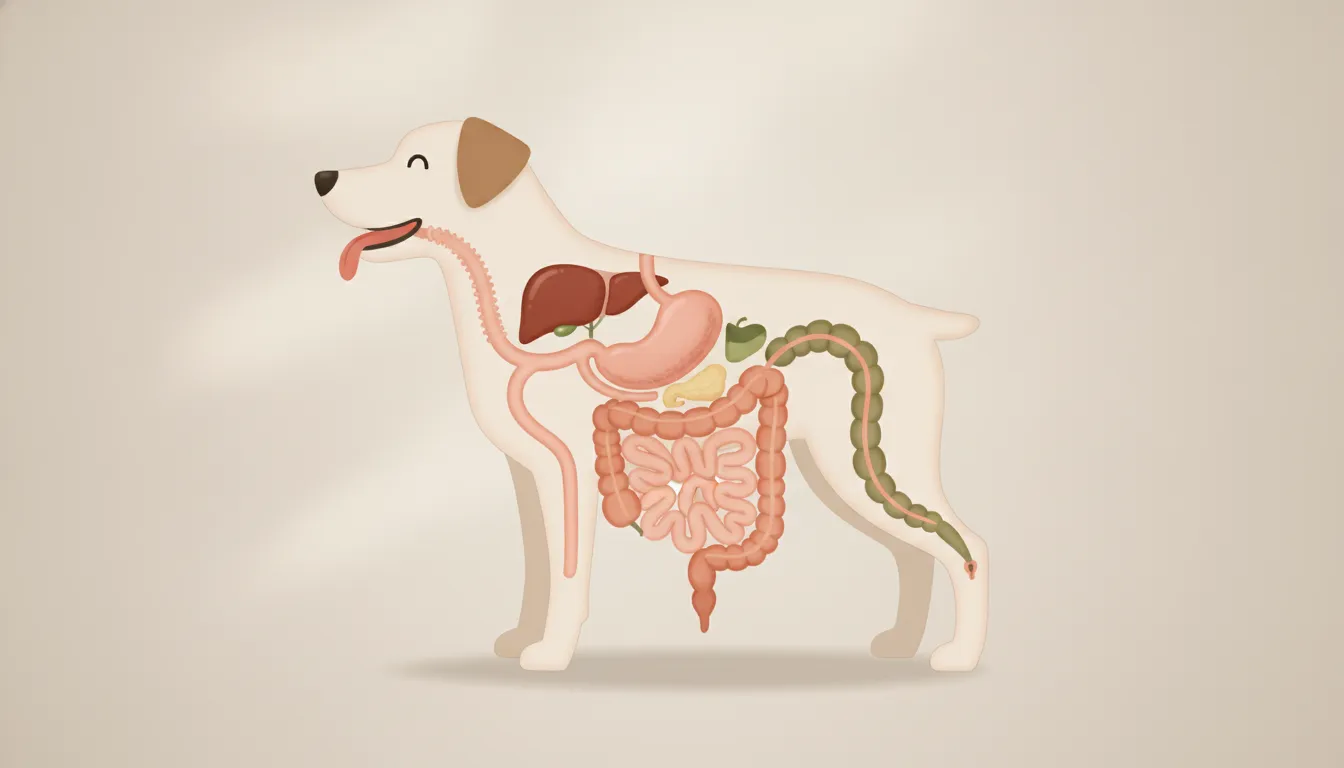
That connection is practical, not merely theoretical. Research on the canine oral microbiome describes how swallowed saliva and oral bacteria can influence the microbial community in the gastrointestinal tract. The mouth and gut each host complex ecosystems, and the microorganisms within them interact with one another and with the host. You can read more in this review of the canine oral microbiome.
The mouth is a microbial gateway
A healthy oral microbiome is not sterile. It is a balanced community that can coexist with the body without provoking an inflammatory response. That balance is dynamic, however, and can shift as conditions in the mouth change. Diet, hygiene, chewing habits, age, and the local oral environment all influence which organisms thrive.
When the oral environment becomes dysbiotic, the issue is not simply one harmful bacterium. Periodontal disease involves an ecological disruption in which microbial communities change and inflammation can develop. Because the oral cavity is a primary microbial gateway, changes there may matter beyond the teeth and gums. A recent review of microbial therapeutics for canine periodontal disease discusses this relationship and the broader importance of oral microbial ecology.
Why whole-body wellness starts with connected systems
Oral health, gut health, joint health, and longevity are best understood as connected parts of a dog's overall wellness rather than separate categories. That does not mean an oral routine can cure or prevent every health problem. It means daily choices should support the body as an integrated system, while brushing, appropriate chewing, balanced nutrition, and veterinary dental care each play their own role.
For guardians building a consistent routine, Navan's whole-body wellness bundle can be considered alongside brushing and regular veterinary guidance. The goal is steady support for a healthy oral environment, not a quick fix or a replacement for professional care.
How Oral Bacteria Rebalance the Gut Microbiome
The mouth is not a sealed compartment. Dogs continually swallow saliva and oral microorganisms, so changes in the oral environment can influence the microbial environment farther along the digestive tract. That does not mean every oral bacterium is harmful, or that a single organism explains periodontal disease. The more accurate view is ecological: the balance among the host, beneficial residents, and opportunistic organisms changes over time.
In a healthy mouth, the host and its microbiome can coexist symbiotically without triggering an inflammatory response. This is a dynamic state rather than a permanent label. The canine oral microbiome may shift as local conditions change, including the conditions created by plaque accumulation and biofilm development. Research on the canine oral microbiome describes this relationship as an active interaction between microorganisms and their host.
Periodontal disease is an ecological shift
Canine periodontal disease arises from disruption of the oral microbiome, not from one isolated pathogen acting alone. Within a dysbiotic biofilm, multiple organisms can work in concert, creating a community that differs from the one found in oral health. This polymicrobial synergy is why reducing the discussion to a single "bad bacterium" misses the larger biological picture.
One measurable feature of this transition is the loss of commensal-dominated groups. Research has identified decreases in genera and families such as Moraxella, Capnocytophaga, and Neisseriaceae, alongside coordinated increases in organisms associated with dysbiosis. These shifts matter because the composition of a microbial community helps shape how the surrounding tissue and immune system respond. The review of microbial therapeutics for canine periodontal disease emphasizes the ecological complexity of this process.
Why the gut is part of the conversation
When the oral community changes, the organisms being swallowed change with it. Over time, that repeated microbial input can alter the conditions encountered in the gastrointestinal tract and influence the broader oral-gut relationship. It is more accurate to describe this as a potential shift in the gut environment than as a direct cause-and-effect claim about one bacterium or one disease.
This is also why oral care belongs in a whole-body wellness routine. Supporting a stable oral ecosystem involves consistent brushing, thoughtful attention to what a dog chews, and regular veterinary dental care. The goal is not to sterilize the mouth. It is to support a balanced environment in which normal host-microbe cooperation can continue, while recognizing that the mouth and gut participate in the same daily biological system.
How Chronic Oral Inflammation Ripples Through the Body
A healthy mouth is an active part of whole-body wellness. When plaque and tartar remain undisturbed, the oral environment can shift from a balanced microbial community toward persistent inflammation. That change does not mean every dog will develop a systemic illness, but it does make oral care relevant far beyond fresh breath or clean-looking teeth.
From plaque to inflammation
Plaque is a living biofilm, not simply a layer of food residue. As the biofilm matures, the community of microorganisms can become less balanced. Research describes canine periodontal disease as an ecological disruption of the oral microbiome. The condition develops through cooperation among multiple organisms in a dysbiotic biofilm, not through one isolated pathogen. This review of microbial therapeutics for canine periodontal disease explains why the overall environment matters.
In a healthy state, the host and oral microbiome coexist without provoking an inflammatory response. When that relationship changes, the immune system responds to the ongoing microbial challenge. Gingival inflammation may be the first visible sign, but the underlying issue is a longer-term shift in the mouth's ecology. For a practical overview, read more about why dental disease is so common in dogs.
Why inflammation matters beyond the mouth
Dogs continually swallow saliva and oral microorganisms, creating a direct route between the mouth and gastrointestinal tract. This is one reason the oral-gut axis is best understood as a daily biological relationship, not a separate set of body systems. The oral microbiome review in PubMed describes how microorganisms interact with both one another and their host, while the wider research links oral and gut health with broader wellness.
Persistent periodontal inflammation is also associated with systemic stressors involving organs such as the heart, liver, and kidneys. The precise pathways are complex, and association is not the same as proof that oral disease causes a particular condition. Researchers continue to study how a disruption in immune tolerance can shift the body toward a more sustained pro-inflammatory state.
That uncertainty is a reason for thoughtful, consistent care rather than alarm. Brushing, appropriate chewing mechanics, regular veterinary dental assessment, and ingredient-aware choices work together to support a healthier oral environment. The goal is not to promise a cure or replace professional care. It is to reduce avoidable inflammatory burden as part of a complete wellness routine.
The Problem With Starches and Fillers in Everyday Chews
A chew can look purposeful on the front of the package while its ingredient list tells a different story. Conventional dental treats often contain glycerin, starches, and fillers. These ingredients may help bind or shape a product, but they can also provide material that feeds plaque and unwanted oral bacteria. That matters when a chew is offered regularly as part of a dog's daily routine.
What feeds plaque?
Plaque is a living biofilm, not simply a stain that can be scraped away. The oral microbiome changes with its environment, and the ingredients a dog encounters repeatedly are part of that environment. Starches in a chew can feed plaque and bad bacteria, creating conditions that work against a clean, balanced mouth. Glycerin and vague fillers deserve the same scrutiny, especially when they appear in a product marketed for everyday dental care.
This is one reason ingredient literacy belongs in any conversation about oral and digestive wellness. Dogs swallow saliva and oral microbes throughout the day, so what happens in the mouth is not isolated from the rest of the digestive system. A chew made with unnecessary binders adds complexity without offering the ingredient transparency many health-conscious owners are seeking.
Start by looking for a short, recognizable ingredient list. A single-ingredient chew avoids the starches, glycerin, and fillers commonly used as binders in conventional dental treats. It also makes it easier to understand what your dog is actually chewing and to keep the daily wellness protocol consistent. Navan's single-ingredient collagen chew is one example of a simpler option for owners who want to evaluate a chew by its source and processing, not by a long list of functional-sounding additives.
| Ingredient pattern | What it tends to do | What to look for instead |
|---|---|---|
| Starches and grain-based binders | Feed plaque and oral bacteria over time | Single-ingredient, whole-food chews |
| Glycerin and artificial softeners | Add texture without supporting dental mechanics | Naturally firm chews that engage chewing |
| Vague flavoring and filler blends | Obscure sourcing and add unnecessary processing | A short, recognizable ingredient list |
None of this means a chew replaces brushing or professional veterinary care. Brushing remains a cornerstone of canine oral hygiene, while ingredient-conscious chewing can complement a broader routine, not substitute for it. The ingredient list is simply part of the daily oral environment. And simpler choices give the mouth less to work against while supporting a more thoughtful whole-body wellness protocol. The goal is not to promise a cure; it is to make daily choices that respect the mouth's microbial environment.
Building a Daily Routine That Supports Mouth and Gut
Oral care works best as a routine rather than a reaction to visible buildup or bad breath. A dog's mouth is exposed to microbes every day, and swallowed saliva and oral bacteria become part of the digestive tract's microbial environment. That makes consistency valuable for both oral hygiene and whole-body wellness, especially when preventive care is approached with longevity in mind.
A simple daily protocol
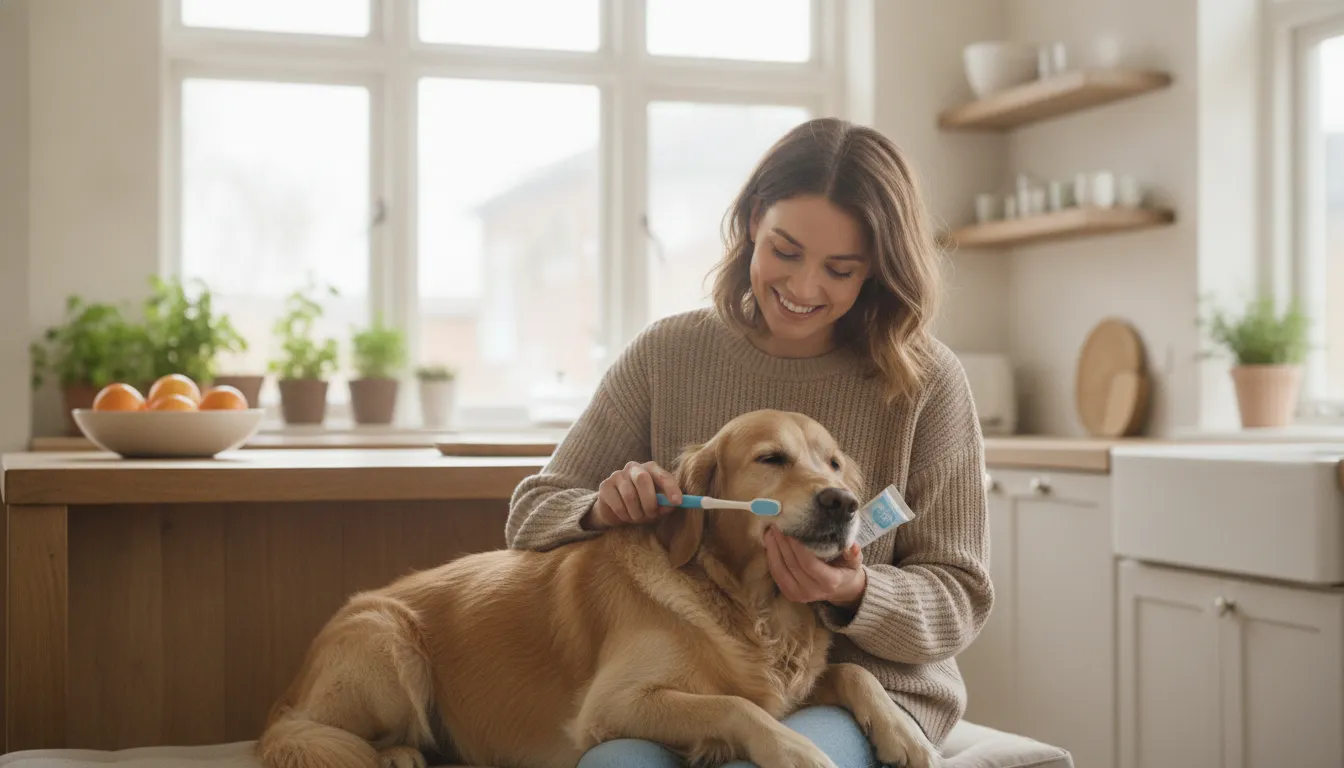
Start with brushing. Brushing is not optional, because it physically disrupts plaque before it can mature into a more established biofilm. Choose a dog-specific toothbrush and toothpaste, and build the habit gradually if your dog is not accustomed to it. A calm, repeatable session is more useful than an occasional struggle.
Next, offer a thoughtfully selected chew as part of the day's wellness protocol, not as an occasional treat. Chewing can provide mechanical engagement for the mouth, while a single-ingredient, minimally processed option keeps the ingredient list clear. The goal is not to suggest that a chew replaces brushing or professional veterinary dental cleanings. It is one consistent layer within a broader approach to oral care.
For a practical framework, review Navan's full wellness protocol and choose a time that fits naturally into your dog's day. Some households pair brushing with the evening routine, then offer a chew at another predictable point. Others use a rotation so the habit stays engaging without turning dental care into an improvised event. The guidance on rotation for dental maintenance can help you think through that structure.
Consistency also makes changes easier to notice. Keep an eye on gum appearance, chewing behavior, breath, and tolerance for brushing, and discuss concerns with your veterinarian. Preventive oral care is an integral part of longevity-focused pet care. But it remains one part of the larger picture that includes balanced nutrition, regular examinations, and professional dental assessment when recommended.
A daily protocol does not need to be complicated. Brush consistently, use clean and appropriate chew options thoughtfully, maintain veterinary oversight, and return to the routine after travel, illness, or schedule changes. Small actions repeated over time create a more dependable foundation for mouth and gut health than occasional bursts of attention.
Build your dog's daily wellness routine with Navan's single-ingredient chews
Frequently Asked Questions
How does a dog's gut microbiome affect their dental health?
The relationship works in both directions. A dog's oral and gut microbiomes are dynamic communities, and changes in one environment may influence the other. A balanced daily routine that includes brushing, appropriate chewing, and overall diet supports the conditions in which beneficial microbial communities can coexist. This is an area of active research rather than a reason to treat the gut or mouth in isolation.
Can unhealthy dog gut bacteria travel to their mouth?
Microbes can move between the digestive tract and the mouth. But the more established concern is the daily swallowing of saliva and oral bacteria, which exposes the gastrointestinal tract to the oral microbiome. Research describes the mouth as a major microbial gateway and periodontal disease as an ecological disruption, not simply an infection caused by one organism. A 2025 review of microbial therapeutics for canine periodontal disease discusses this broader ecological view.
What is the connection between oral hygiene and a dog's gut health?
Consistent oral hygiene helps manage plaque and supports a healthier oral microbial environment. Brushing remains a cornerstone of care, while a suitable chew can complement, not replace, brushing or professional veterinary dental cleanings. Because oral bacteria are swallowed regularly, supporting oral health is one practical part of a broader wellness routine. A review of the canine oral microbiome describes the oral-gut axis as an important area of study.
Do postbiotics help with canine oral health?
Postbiotics are promising, but they are not a substitute for established dental care. Early research suggests that probiotics and postbiotics may help reduce halitosis and influence innate immune responses in dogs, while the evidence base is still developing. Discuss any supplement with your veterinarian, especially if your dog has persistent bad breath, gum changes, pain, or difficulty eating.
Ready to Build a Daily Wellness Protocol?
A consistent mouth-and-gut routine can make oral care feel like a practical part of your dog's broader wellness plan. Explore Navan's single-ingredient chews and choose a simple starting point for daily care. Explore Navan's whole-body wellness bundle and get started with a considered approach to mouth and gut wellness.