

Duck Wings for Dogs: The Calcium-Rich Dental Chew for Active Chewers
Duck wings for dogs serve as a premium, single-ingredient dental chew for active chewers in a daily health plan. These chews provide a natural source of calcium while helping to clean away plaque through the act of chewing. Unlike many treats, they have no starches or fillers that can feed harmful oral bacteria. Brushing is the best way to manage plaque, but research in PubMed shows that quality chews support oral health.
Ready to upgrade your dog's dental routine? Shop duck wings for dogs and start your wellness protocol today.
Many owners want to understand how these whole-food chews fit into their dog's diet. Below we explore their benefits, how they compare to other options, and how to feed them safely.
What Are Duck Wings for Dogs?
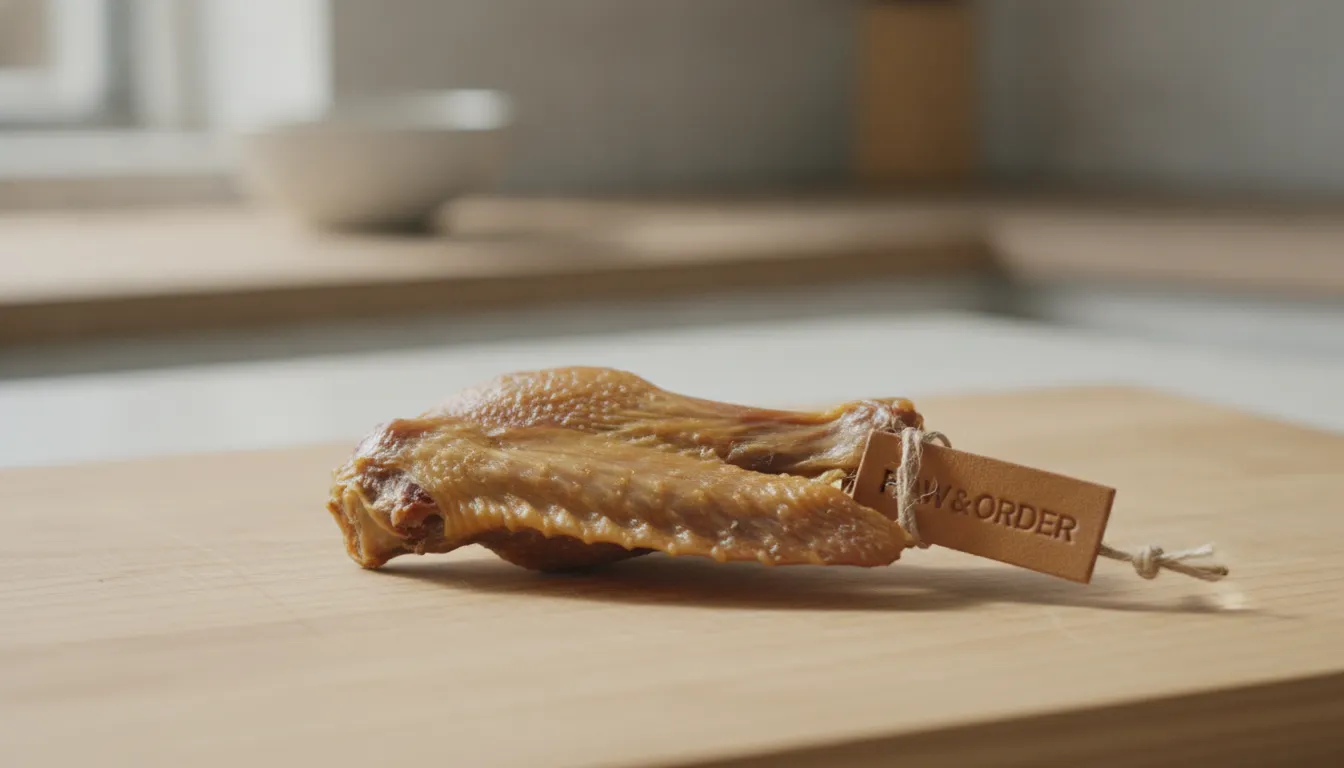
Duck wings for dogs are whole, single-ingredient chews that offer a natural way to support pet health. Unlike treats that use fillers or starches, these chews consist of 100% duck. They are air-dried to retain nutrients while creating a firm, crunchy texture. This makes duck wings a top choice for owners who prioritize pure, whole-food options.
For dog owners transitioning away from synthetic treats and chews, duck wings represent a return to whole-food simplicity. They fit well within raw-feeding protocols and complement balanced homemade diets. The absence of glycerin, artificial binders, and starches means every bite contributes to your dog's wellness rather than detracting from it.
Built for Active Chewers
Duck wings are best for medium and large dogs that love to chew. Their size and density provide a challenge that lasts longer than a typical biscuit, making them an excellent choice for breeds with strong jaws. The natural shape of the wing requires a dog to use their back teeth and jaw muscles, which not only cleans the teeth but also provides mental stimulation. A busy dog with a satisfying chew is often calmer and more relaxed afterward.
Because these chews are minimally processed, they retain their natural scent and flavor, making them appealing even to picky eaters. The firm texture also slows down eating, which is beneficial for dogs that tend to gulp their food. This extended chewing time maximizes the dental benefits while giving your dog a rewarding activity.
A Natural Source of Calcium and Joint Support
Each duck wing is approximately 39% bone and 61% muscle meat. This ratio gives your pet a rich source of calcium and phosphorus for strong bones, along with glucosamine and chondroitin that support joint mobility. For medium and large dogs, these nutrients are a key part of long-term wellness. The calcium arrives in a whole-food form that a dog's body can use efficiently, unlike synthetic supplements.
The protein content of duck wings averages around 51%, with about 23% healthy fat, making them a high-energy option for active dogs. The fatty acid profile supports coat health and skin condition, while the natural bone provides minerals in a form that aligns with ancestral canine nutrition.
How Duck Wings Support Dental Health
Daily dental care is a vital part of your dog's wellness routine. Plaque is a soft film of bacteria that forms on the teeth. If not removed, it hardens into tartar, which can lead to sore gums and deeper health issues. Using duck wings for dogs offers a way to help manage plaque buildup through simple chewing action. Combined with regular brushing and professional veterinary cleanings, quality chews form an important layer of your dog's oral care protocol.
Periodontal disease does not only affect the mouth. Research has established connections between oral health and systemic conditions, as the oral microbiota influences periodontal disease progression in dogs. When inflammation in the gums goes unchecked, bacteria can enter the bloodstream and affect the heart, kidneys, and liver over time. This makes daily oral care about more than fresh breath, it is about whole-body longevity.
Mechanical Cleaning of Back Teeth
The unique shape of a duck wing makes it an effective tool for oral health. As your dog chews, the wing bone and skin rub against the tooth surface. Creating friction that scrapes plaque off the large molars in the back of the mouth. These back teeth are hard to reach with a brush. The dry, firm texture of the wing provides gentle abrasion that breaks down the sticky film of plaque before it bonds to enamel.
Unlike soft treats that compress and stick to tooth surfaces, the fibrous texture of duck wings helps pull debris away from the gum line. This sweeping action is especially valuable along the gingival margin where tartar tends to accumulate first.
The Role of Oral Bacteria
The mouth hosts a complex microbial ecosystem. The oral microbiota has a significant impact on how quickly dental disease can develop. When harmful bacteria take over, they cause inflammation in the gums, which is often the first step toward more serious health risks. One common early sign is bad breath, or halitosis. Many owners dismiss this as typical "dog breath," but it can be an early indicator of periodontitis. Regular chewing helps reduce the food sources these bacteria need to thrive.
Starches and sugars in many commercial treats provide fuel for pathogenic oral bacteria. By choosing a starch-free chew like duck wings, you deny these bacteria their primary energy source, helping to maintain a healthier oral microbiome between brushings.
Combining Chews With Daily Brushing
While duck wings are beneficial for cleaning, they work best as part of a complete oral care plan. A study on plaque control shows that brushing is three times more effective than chews alone. Brushing remains the gold standard for canine dental care, as it reaches under the gum line where tartar accumulates. Consider duck wings as a supplementary tool that boosts your dog's oral care protocol. On days when brushing is not possible, a quality chew can help maintain cleanliness between brushings.
Think of duck wings as a daily maintenance tool and brushing as the deep clean. Together they create a layered defense against dental disease that is more effective than either method alone.
Duck Wings vs. Chicken Wings for Dogs
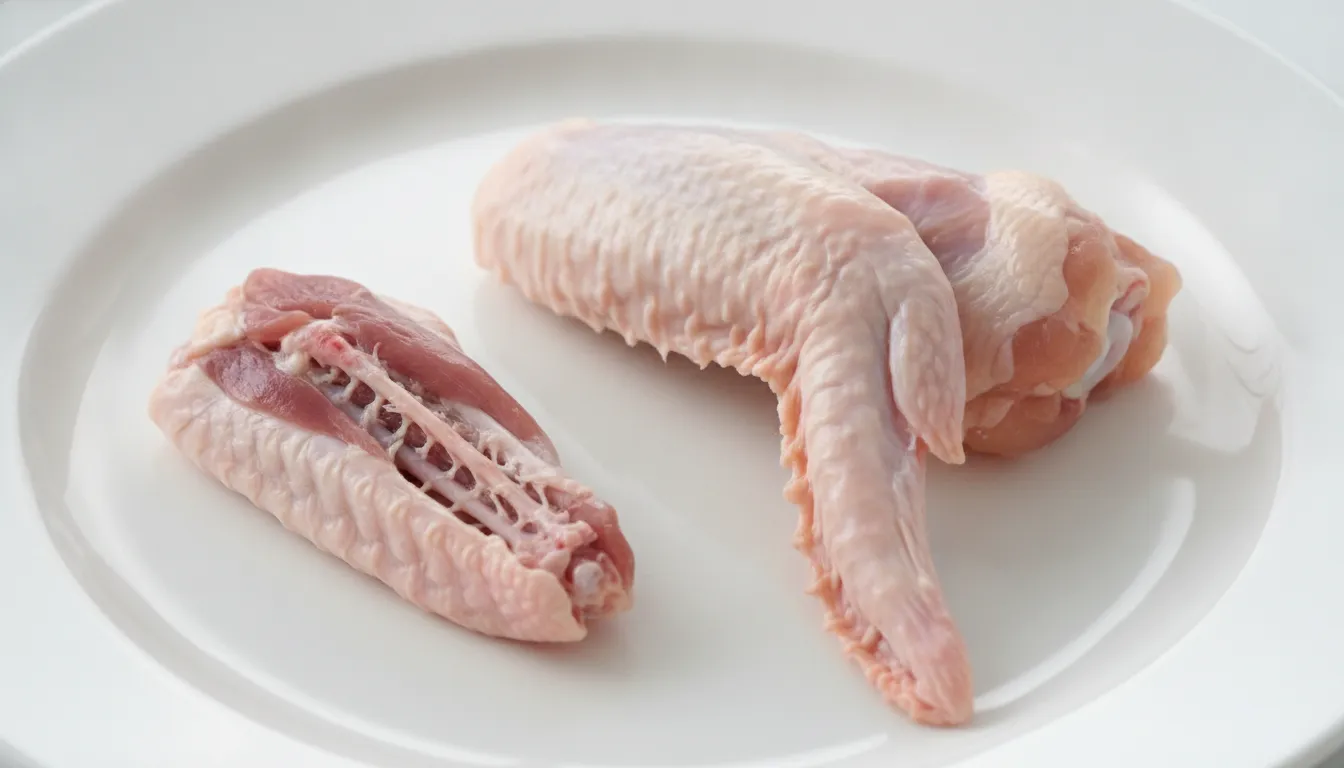
Both duck and chicken wings offer health benefits, but they differ in size, bone density, and fat content. Knowing these differences helps you choose the best fit for your dog's size and energy needs.
| Feature | Duck Wings | Chicken Wings |
|---|---|---|
| Bone Content | About 39% bone | About 33% bone |
| Fat Profile | Higher in healthy fatty acids | Leaner, lower in fat |
| Protein Type | Novel protein (less common allergen) | Common protein (higher allergy risk) |
| Chew Density | Dense and sturdy | Light and brittle |
| Best For | Active chewers, medium to large dogs | Small dogs, low-fat diets |
A Novel Protein for Sensitive Dogs
Chicken is one of the most common proteins in commercial pet foods, which also makes it a frequent source of food sensitivities. If your dog experiences itchy skin, ear infections, or digestive upset, switching to duck may help. Duck is a novel protein for many dogs, meaning it is less likely to trigger reactions in dogs accustomed to chicken-based diets. Rotating proteins is a sound strategy for keeping the immune system balanced and reducing the risk of developing new food sensitivities over time.
For dogs with confirmed poultry sensitivities, it is worth noting that duck and chicken are distinct proteins. Many dogs who react to chicken tolerate duck well, making it a useful option for rotation or elimination diets.
Higher Bone Density for Better Cleaning
Duck wings contain about 39% bone compared to roughly 33% in chicken wings. This higher bone-to-meat ratio makes them more effective at scrubbing teeth during a chew session. The sturdy build requires more effort from the dog's jaw, which helps break down plaque through friction and strengthens jaw muscles. The larger size also forces the dog to slow down and chew thoroughly rather than gulping.
What to Look for in Quality Duck Wings
Not all duck wings for dogs are created equal. When selecting chews, look beyond the packaging and examine the ingredients and processing methods. The difference between a premium wellness chew and a commodity product often comes down to sourcing and production standards. Learning to identify quality indicators helps you make informed choices for your dog's daily protocol.
Sourcing and Ingredient Purity
Premium duck wings start with responsibly sourced poultry. The best options come from ducks raised without antibiotics or added hormones. The ingredient list should contain one item: duck. No preservatives, no flavorings, no binders. This level of transparency is a hallmark of quality pet wellness brands. When a company discloses its sourcing practices and processing methods, it signals confidence in the product.
Halfway through your reading? Browse our duck wings for dogs and see the difference single-ingredient quality makes.
Gentle Processing Matters
The drying method significantly affects nutrient retention. Air-drying at low temperatures preserves the natural enzymes, vitamins, and minerals found in the raw wing. High-heat processing can degrade heat-sensitive nutrients and denature proteins, reducing the nutritional value. Low-temperature air-drying maintains the structural integrity of the bone and tissue, which is what gives duck wings their effective teeth-cleaning texture.
The result is a shelf-stable chew that retains its nutritional profile and firm texture without the need for chemical preservatives. This gentle approach aligns with whole-food pet care principles: start with a quality ingredient and alter it as little as possible.
Avoiding Starches and Binders
Many commercial dental chews rely on starches, glycerin, and artificial binders to hold their shape. These ingredients can feed harmful oral bacteria and contribute to plaque formation rather than reducing it. Some chews marketed as "dental" treats contain more starch than protein, which is counterproductive for oral health. Wings that are nothing but duck avoid this problem entirely.
When a chew is 100% duck, every bite your dog takes supports oral health instead of working against it. For dog owners who have been reading labels and questioning what is really in their pet's treats, single-ingredient chews like duck wings offer a straightforward solution.
How to Feed Duck Wings to Your Dog
Proper feeding turns a simple chew into a consistent wellness tool. Follow these guidelines to maximize benefits and minimize risk. Duck wings are nutrient-dense, so incorporating them thoughtfully into your dog's existing diet ensures balanced nutrition.
For those who have been monitoring their dog's dental health, adding duck wings to the daily routine provides a proactive approach to oral care. The mechanical cleaning action works continuously throughout the chewing session, reaching areas that brushing may miss.
Portion Guidelines
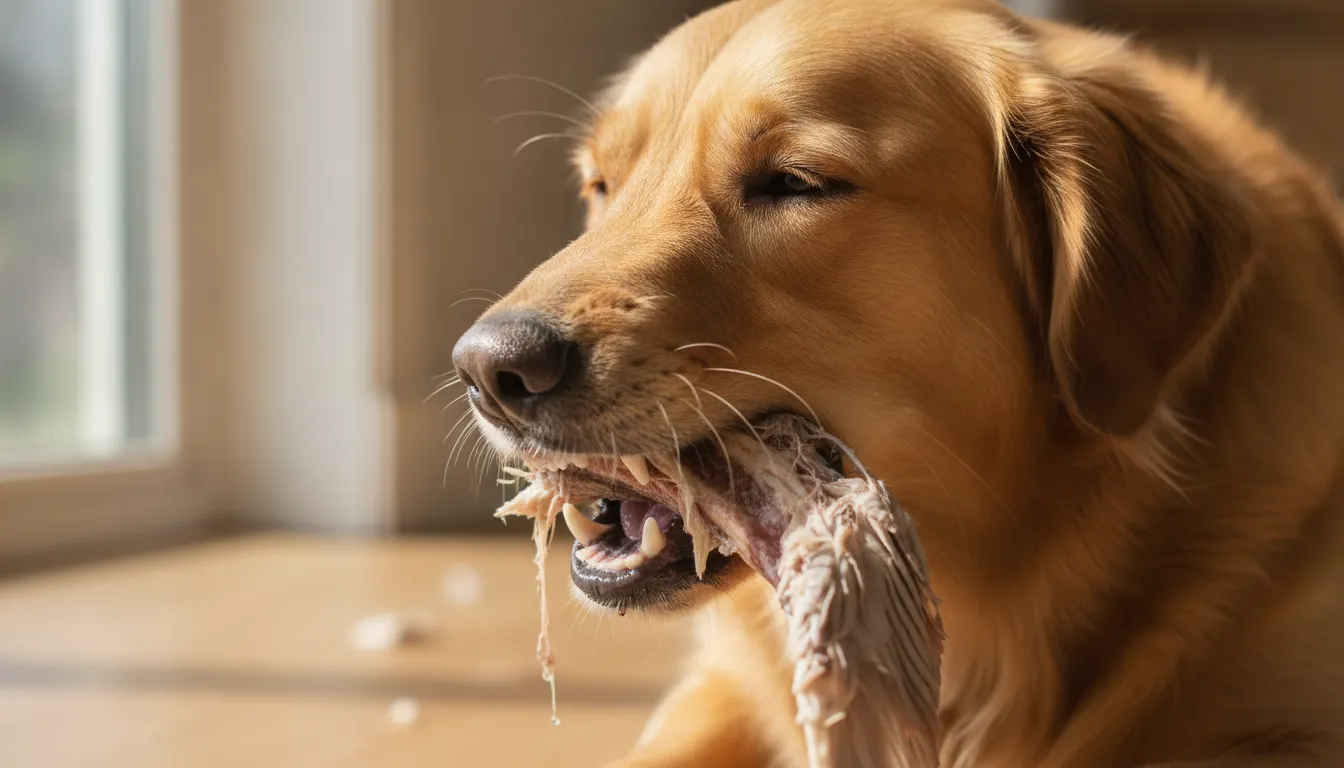
Duck wings are rich in protein and fat, so they must fit within your dog's total daily caloric intake. For dogs on a raw diet, duck wings should make up roughly 10-12% of total food weight to maintain proper calcium balance. Small dogs under 20 pounds may need smaller pieces, while medium and large dogs can manage a whole wing under supervision. Adjust portion sizes based on your dog's activity level, age, and overall diet.
For dogs transitioning from kibble or commercial treats, introduce duck wings gradually to allow the digestive system to adapt. The high protein and bone content may be richer than what your dog is accustomed to, so starting slowly helps prevent digestive upset.
Introducing Duck Wings Safely
- Choose the right size. Match the wing size to your dog's breed. Small dogs need smaller pieces to prevent jaw strain. Large dogs can handle a whole wing but should not be allowed to gulp it whole. If you are unsure, start with a larger piece that forces thorough chewing.
- Supervise every session. Never leave your dog alone with a bone-in chew. Active supervision allows you to intervene if your dog attempts to swallow a large piece. If needed, hold one end of the wing to encourage slower, more thorough gnawing.
- Start slowly. Offer a wing every two to three days initially. This allows the digestive system to adjust to the new protein source. Monitor stool quality for 24 hours after the first feeding. Loose stools may indicate the need for a slower introduction.
- Follow the 25-50-75 wellness protocol. Use the wings consistently every day or every other day. By day 25 you may notice fresher breath and reduced plaque. By day 75, the mechanical cleaning action should produce visible improvements in the back molars. Track changes in breath, tooth color, and gum appearance to measure progress.
Consistency is key. Occasional chews provide temporary benefits, but integrating duck wings into a daily routine creates cumulative positive effects on dental health, joint support, and overall wellness.
Frequently Asked Questions
Can duck wings replace daily toothbrushing for my dog?
No. Duck wings are a valuable supplement to brushing, not a replacement. Research shows brushing is three times more effective at plaque control than chewing alone. Use duck wings to enhance your dog's oral care routine, especially on days when brushing is not feasible.
Are duck wings for dogs safe to eat whole?
When properly supervised, duck wings are safe for most medium and large dogs. Always monitor your dog during chewing sessions. Dogs that tend to gulp food may need the wing held or broken into smaller pieces. Introduce them gradually and watch for any digestive sensitivity.
How often should I feed my dog duck wings?
For best results, offer a duck wing every day or every other day as part of a consistent wellness protocol. The 25-50-75 approach provides a framework for tracking improvements in breath freshness, tooth cleanliness, and overall gum health over time.
Do duck wings provide enough calcium for dogs?
Yes. Duck wings contain approximately 39% bone by weight, offering a rich source of whole-food calcium and phosphorus. This natural mineral balance supports strong teeth and bones, particularly for active dogs on raw or whole-food diets. The calcium is more bioavailable than synthetic supplements.
Ready to start your dog's daily dental protocol?
Oral health issues can advance quickly when a dog lacks the right chewing outlet. Starting a daily habit now keeps teeth clean and supports long-term body wellness. Duck wings offer a single-ingredient, calcium-rich chew that supports both dental health and joint mobility.
Start your dog's protocol today. Order duck wings for dogs and give your pet the benefits of whole-food nutrition.