

Natural Puppy Teething Chews: Safe Single-Ingredient Options for Relief
Natural puppy teething chews are single-ingredient, whole-food options designed to soothe sore gums during the critical growth period from three to six months. Experts at The Pets Larder emphasize that soft texture is essential because a puppy's deciduous teeth are more fragile than adult teeth. Appropriate choices include air-dried rabbit ears, soft duck necks, and rabbit skin sticks. These provide the necessary chewing action without risking tooth fractures. The best options are free from starches, glycerin, and artificial binders that feed plaque-causing bacteria. By selecting safe, digestible items that pass the thumbnail test, you support your puppy's natural chewing instinct while building a strong foundation for lifelong health.
Why Do Puppies Need Natural Chews During Teething?
Puppies use their mouths to explore the world around them. For a young dog, chewing is not merely a behavior to manage. It is a developmental necessity that supports jaw development, cognitive engagement, and oral hygiene. Many owners view chewing as a nuisance, but it plays a vital role in your puppy's early growth and daily wellness routine.
The puppy teething timeline
Most puppies begin losing their baby teeth and erupting adult teeth between 3 and 6 months of age. This transition can be uncomfortable as new teeth push through inflamed gum tissue. Providing soft chewing outlets helps soothe this discomfort while preventing damage to household items. Offering appropriate natural puppy teething chews during this stage gives your dog a constructive outlet. It satisfies their natural urge to chew while protecting fragile developing teeth.
Protecting fragile baby teeth
A puppy's deciduous teeth are thin and prone to fracture. Choosing appropriately soft chews is essential for avoiding dental injury. If a baby tooth breaks, it can cause pain. It can also damage the adult tooth developing beneath it. This is why hardness testing is a critical step before introducing any new chew to a young dog. Single-ingredient options like a rabbit stick for dogs offer a forgiving texture that bends rather than snaps under pressure.
The thumbnail test explained
You can evaluate any chew's safety with a simple thumbnail test. Press your fingernail firmly into the chew's surface. If the material is too dense to leave a visible indentation, it is likely too hard for a teething puppy. Items such as antlers, marrow bones, and hard nylon chews can cause enamel fractures and cracked teeth. Instead, look for pliable, single-ingredient options like rabbit ears with fur that provide safe, yielding texture.
Lifelong oral health starts here
Habits established during the first few months carry into adulthood. Research indicates that approximately 80 percent of dogs show signs of periodontal disease by age three. Implementing a daily wellness protocol that includes high-quality chews early in life helps maintain cleaner teeth and healthier gums. While chews complement veterinary dental cleanings and at-home brushing, they are a foundational tool for long-term health. According to the Centers for Disease Control, regular dental care is a key component of overall pet wellness.
Puppies need natural chews during teething because oral discomfort between 3 and 6 months drives an intense chewing instinct. Soft, single-ingredient items like duck necks and rabbit sticks satisfy this urge without risking tooth fractures. These chews also begin the mechanical cleaning process that helps manage plaque, setting the stage for lifelong dental health. Always select options that pass the thumbnail test and supervise chewing sessions until you are confident in your puppy's technique.
What to Look for in a Safe Puppy Chew
Choosing the right natural puppy teething chews is a foundational step in your dog's wellness journey. Between three and six months, a puppy's deciduous teeth are fragile and require carefully selected chewing materials. To protect oral health, you must prioritize appropriate texture and ingredient purity.
Texture and the thumbnail test
Safety begins with correct firmness. The thumbnail test remains the most reliable at-home method. Press your nail into the chew. If it leaves a mark, the texture is appropriate. Pliable items like rabbit sticks or duck necks for dogs compress under pressure. This cleans teeth without damaging gums or enamel. Always supervise your puppy during chew time. Remove any pieces that become small enough to swallow whole.
Single-ingredient purity
Ingredient transparency is non-negotiable. The most reliable natural puppy teething chews contain one whole-food ingredient with no hidden fillers, glycerin, or starches. Products like rabbit ears with fur offer the simplicity that a growing puppy's digestive system needs. Clean sourcing also eliminates the need for artificial flavors or colors. Manufacturers often use these to mask low-quality base materials. Research from the National Institutes of Health confirms that dietary quality directly influences health outcomes across all life stages.
Digestibility and gut health
Puppies have developing digestive systems that benefit from easily broken-down proteins. A suitable chew should break down rapidly in the stomach to prevent gastrointestinal obstruction. Single-ingredient, air-dried items naturally decompose through enzymatic action. In contrast, starch-based chews can linger in the digestive tract. Choosing whole-food options like duck necks supports both oral hygiene and smooth digestion. This reinforces the connection between diet and overall vitality.
Many conventional pet store chews rely on starches and sugars to hold their shape. These additives have no place in a carnivore's natural diet and can feed pathogenic oral bacteria. By selecting whole-food chewing tools, you protect both your puppy's mouth and their developing gut microbiome.
Safe puppy chews are soft enough to indent with a thumbnail, made from one whole-food ingredient, and digestible enough to break down quickly in a puppy's stomach. Avoid items with starches, glycerin, or artificial additives. Single-ingredient products like rabbit ears, duck necks, and rabbit sticks from brands committed to transparency consistently meet these criteria.
Ingredients to Avoid in Puppy Teething Products
Building a safe chewing routine starts with knowing which ingredients and materials can harm a young dog. Puppies have delicate teeth and sensitive digestive systems. Many mass-market pet products contain binders, hard materials, or chemical additives that introduce unnecessary risk during this critical developmental stage.
Risks of hard materials and rawhide
Antlers, dense bones, and hard nylon chews are popular because of their longevity, but they pose genuine risks to developing mouths. The American Veterinary Dental College warns that excessively hard chewing surfaces can fracture deciduous teeth. This leads to pain, infection, and potential damage to the underlying adult tooth. If a chew fails the thumbnail test, it is too hard for any puppy.
Rawhide presents a separate set of concerns. The manufacturing process often involves chemical treatments. The material itself becomes slick and gelatinous when chewed. This creates a choking hazard. It also increases the risk of intestinal blockage if large fragments are swallowed. Transitioning to natural puppy teething chews eliminates these risks entirely by using whole-food ingredients that break down naturally.
Hidden starches and binding agents
Many shaped chews and dental rings use starches, glycerin, and binding agents to maintain their form and palatability. These additives contribute to dental problems. A study published in the Journal of Veterinary Medicine and Science indicates that early dietary choices influence calculus accumulation. Starch-based treats may feed the oral bacteria responsible for plaque formation and early periodontal disease.
Glycerin is frequently added as a humectant to preserve softness. It provides no nutritional benefit and signals a highly processed product. Single-ingredient chews require no such additions. They rely instead on the natural structural properties of whole foods to deliver the appropriate chewing experience.
Artificial flavors, colors, and preservatives
Manufacturers add synthetic flavors, artificial colors, and chemical preservatives to improve appearance and shelf appeal. These additives often compensate for low-quality base ingredients. A growing puppy's developing systems benefit from minimizing exposure to these compounds. Whole-food chews need no artificial enhancement. Dogs respond instinctively to the aroma and taste of real animal protein.
By selecting single-ingredient options like duck necks, you provide a clean, species-appropriate chewing experience free from chemical additives. This approach satisfies your puppy's natural drive to chew while supporting their overall wellness.
Avoid puppy teething products containing rawhide, antlers, hard bones, starches, glycerin, artificial flavors, colors, or preservatives. Hard materials can fracture baby teeth, while starches and glycerin feed plaque-causing bacteria. Rawhide presents choking and blockage risks. Single-ingredient, air-dried chews eliminate all of these hazards while providing safe, effective relief.
The Best Natural Chews for Teething Puppies

When your puppy enters the teething phase, selecting the right chewing material can significantly impact their comfort and oral development. The ideal options are single-ingredient, minimally processed, and sufficiently soft for fragile deciduous teeth. Navan Pet offers several whole-food chews that meet these criteria.
Duck necks
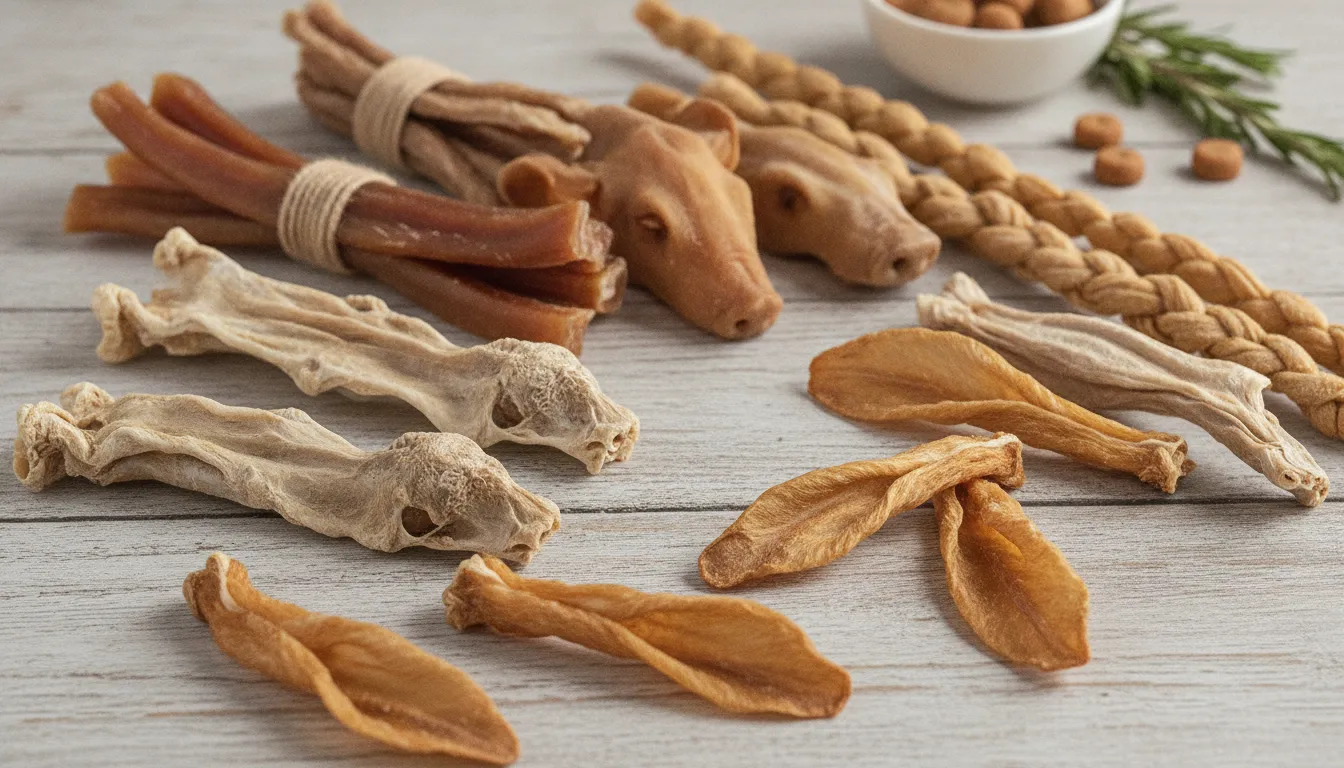
Duck necks rank among the top choices for teething puppies. Their hollow, airy bone structure passes the thumbnail test easily. This means they will not crack delicate baby teeth. The bones break down readily in the stomach, minimizing gastrointestinal risk. Each duck neck is a single ingredient with no starches, glycerin, or artificial additives. The texture provides gentle mechanical cleaning along the gum line as your puppy chews. You can find age-appropriate duck necks for dogs on the Navan Pet website.
Rabbit ears with fur
Dried rabbit ears serve as a gentle introductory chew that even very young teething puppies can manage. The fur adds natural texture that contributes to mechanical cleaning. The ear itself remains thin and pliable. Rabbit ears are highly digestible. They deliver a satisfying chewing experience without risk of tooth trauma. Rabbit ears with fur are available as a single-ingredient product. They are frequently recommended by natural chew specialists as one of the safest entry-level options.
Rabbit sticks
Rabbit sticks, crafted from dried rabbit skin, provide another yielding texture ideal for teething puppies. The material is forgiving and flexible. This makes it appropriate for young dogs still developing their chewing technique. Rabbit skin offers concentrated protein and breaks down efficiently in the digestive tract. Once your puppy is ready for slightly more resistance while still in the teething window, a rabbit stick makes a reliable daily addition to their wellness protocol.
Duck wings
Duck wings offer a marginally firmer texture than duck necks while remaining within the safe range for teething puppies. Like all Navan Pet products, they are single-ingredient, air-dried, and free from fillers or binders. Duck wings work particularly well for puppies approaching the end of the teething phase as they begin building adult jaw strength. They deliver the same pure ingredient profile with extended chewing duration. For the Duck Wing product page, visit duck wings for dogs.
Building a daily protocol
The most effective approach to these chews is integration into a consistent daily routine. Providing a chew at the same time each day establishes a healthy habit that supports ongoing mechanical plaque management. Navan Pet's wellness protocol follows a straightforward progression. Noticeably fresher breath within 25 days, visibly cleaner teeth by 50 days, and sustained oral maintenance at 75 days. This framework transforms a simple chew into a structured wellness tool.
The best natural chews for teething puppies are duck necks, rabbit ears with fur, rabbit sticks, and duck wings. Each is a single-ingredient, air-dried product soft enough to pass the thumbnail test. These options provide gentle mechanical cleaning, support digestive health through easy breakdown, and integrate naturally into a daily wellness protocol. Always match the chew size to your puppy's breed and supervise initial sessions.
How to Choose the Right Chew for Your Puppy's Age and Size
Selecting the appropriate chew involves considering both your puppy's developmental stage and their physical size. A puppy's mouth changes rapidly during the first year. Matching the chew to their current stage is essential for both safety and effectiveness.
The teething stage: 3 to 6 months
Between 3 and 6 months of age, puppies are actively losing deciduous teeth and erupting their adult set. These temporary teeth are fragile and susceptible to fracture from hard chewing surfaces. During this period, soft, flexible options such as rabbit sticks or duck necks for dogs are appropriate. These items provide the yielding texture that tender gums need. They also deliver the mechanical cleaning action that supports oral health.
Applying the thumbnail test by stage
The thumbnail test remains the most practical safety assessment at every stage. Press your thumbnail into the chew with firm pressure. If an indentation remains, the texture is suitable. If the surface is unyielding, it poses a fracture risk. Hard items such as antlers, dense bones, and thick yak chews should be reserved until the adult teeth are fully erupted. This typically occurs after 9 to 12 months, when the dog has developed appropriate chewing technique.
Matching chew dimensions to breed size
Size considerations are equally important. A large-breed puppy like a Labrador Retriever generates significantly more bite force than a toy breed like a Chihuahua, even at the same age. A chew that is too small may be swallowed whole, creating an obstruction risk. A chew that is too large may be difficult for a small puppy to grip effectively. Always select chews wider than your puppy's open mouth. This encourages lateral chewing and reduces swallowing risk. Monitor all chewing sessions until you are confident in your puppy's ability to handle the product safely.
Transitioning through stages
As your puppy matures, their chewing needs evolve. The transition from teething to adolescent chewing typically occurs around 6 to 9 months, when adult teeth are fully in place. During this period, you can gradually introduce slightly firmer textures. However, the principle of single-ingredient, minimally processed remains constant throughout your dog's life.
| Age Stage | Recommended Chew | Safety Texture | Supervision Level |
|---|---|---|---|
| Under 3 Months | Soft rabbit ears or frozen carrots. | Very pliable. | High (constant supervision). |
| 3 to 6 Months | Duck necks or rabbit sticks. | Flexible (passes thumbnail test). | High (monitored sessions). |
| 6 to 9 Months | Duck wings or collagen sticks. | Moderate density. | Medium (occasional checks). |
| 9+ Months | Adult chews or beef skin. | Firm/dense. | Medium (established technique). |
Choose chews based on your puppy's age and breed size. During the 3 to 6 month teething stage, select soft, pliable options that pass the thumbnail test. Toy breeds need smaller, softer chews while large breeds require appropriately sized items that cannot be swallowed whole. Transition to firmer textures only after adult teeth are fully erupted, typically around 6 to 9 months of age.
Building a Daily Chewing Routine for Lifelong Dental Health
A consistent chewing habit forms the foundation of long-term oral wellness for your dog. While natural puppy teething chews provide immediate relief during the early months, they also initiate the mechanical cleaning process that manages plaque accumulation. This daily practice establishes the framework for a healthy mouth as your dog matures.
Consistency over intensity
Success in canine dental health comes from regular, moderate chewing rather than occasional intensive sessions. Frequent gentle chewing effectively scrubs tooth surfaces without the fracture risk associated with hard materials. A predictable schedule also creates behavioral structure that most puppies find reassuring. Following a consistent protocol allows you to track observable improvements over time.
The Navan Pet wellness protocol tracks measurable markers on a defined timeline:
- Day 25 (Fresher Breath): You will notice fresher breath as daily chewing manages oral bacteria.
- Day 50 (Cleaner Teeth): Teeth appear cleaner as mechanical abrasion removes plaque deposits.
- Day 75 (Sustained Maintenance): Your puppy achieves stable oral support and reduced tartar buildup.
- Day 100 (Established Habit): Your dog reliably expects and benefits from daily chewing.
- Ongoing Care (Regular Monitoring): Schedule regular veterinary exams to assess professional dental health.
This progression turns an ordinary daily chew into a structured wellness intervention that benefits your dog throughout their life.
The mechanical cleaning mechanism
Daily chewing provides natural dental cleaning through friction. As your puppy works on a single-ingredient chew, the fibrous texture abrades the visible surfaces of the teeth. It also stimulates the gum line. This mechanical action is most effective when combined with regular at-home brushing. Brushing reaches areas that chewing alone cannot access. According to the Centers for Disease Control, comprehensive dental care is essential for overall animal health. Chewing serves as a complementary practice between professional veterinary dental cleanings.
A complete wellness protocol
A daily chew is one component of a comprehensive oral health strategy. It works synergistically with routine brushing to address different surfaces of the teeth. Together, these at-home practices support the deep cleaning provided by regular veterinary dental procedures. For additional reading on puppy oral care, explore related articles in the Navan Pet Journal.
Introducing this routine during puppyhood helps your dog accept oral care as a normal, expected part of daily life. By selecting single-ingredient natural dental chews, you provide a health tool that avoids the starches and binders found in conventional products. This simple daily investment builds lasting value for your pet's wellbeing.
Build a daily chewing routine by offering a single-ingredient chew at the same time each day. Expect fresher breath within 25 days and cleaner teeth by 50 days of consistent use. Combine chewing with regular brushing and annual veterinary dental exams for complete oral care. The Navan Pet 75-day protocol provides a structured framework for tracking progress.
Frequently Asked Questions
What is the best natural chew for teething puppies?
The best natural chews for teething puppies have a soft texture that will not damage fragile deciduous teeth. Single-ingredient options like dried rabbit ears, duck necks, and rabbit sticks are excellent choices. They provide relief without artificial binders or starches. These whole-food treats satisfy the natural urge to chew while supporting oral health as part of a daily wellness routine. Always supervise your puppy during chewing sessions.
Are natural chews safe for puppies?
Natural chews are generally safe for puppies when selected based on age and size. Avoid hard items such as antlers or dense yak chews until adult teeth have fully erupted around six months. According to the Parker Veterinary Clinic, puppy teeth are fragile and can fracture on hard surfaces. Stick to softer options that pass the thumbnail test to prevent tooth injury.
When can puppies start having natural chews?
Most puppies can begin having soft natural chews between three and six months of age, when baby teeth are being replaced by adult teeth. This transition causes discomfort and a strong urge to chew. Introducing gentle, single-ingredient treats during this period helps manage teething pain while building a foundation for lifelong dental health. For puppies under three months, consult your veterinarian before introducing new chew products.
How do I know if a chew is too hard for my puppy?
Use the thumbnail test. Press your thumbnail firmly into the surface of the chew. If you can leave a visible indentation, the chew is likely soft enough for a teething puppy. If the surface is too hard to mark, it may fracture fragile baby teeth. Choosing softer options like rabbit sticks or duck wings helps prevent painful tooth damage while still providing effective relief.
Can natural chews replace brushing my puppy's teeth?
No, natural chews complement brushing but do not replace it. Chewing provides mechanical cleaning on the visible surfaces of teeth, while brushing reaches areas that chewing cannot access, particularly along the gum line and between teeth. For complete oral care, combine daily supervised chewing with regular tooth brushing and annual veterinary dental examinations.
Ready to Start Your Puppy's Daily Wellness Protocol?
Every great dental health journey begins with the first intentional choice. Navan Pet's single-ingredient chews deliver the relief your teething puppy needs while establishing the foundation for lifelong oral wellness. No starches, no glycerin, no fillers. Just whole-food ingredients your dog was meant to eat.