

Rabbit Ears with Fur for Dogs: A Secret Gut Weapon
When we look at the ancestral diets of wild canids, we see a stark contrast to modern pet food. Ancestral eating was not clean, trimmed, or homogenized. It was whole-prey consumption. Wild dogs consumed fur, feathers, hide, and cartilage alongside meat and organs. Every component served a distinct physiological purpose. Today, health-conscious dog parents are rediscovering these ancestral mechanisms. Among these, Navan Pet's rabbit ears with fur for dogs stand out as a highly functional, single-ingredient wellness tool. Far from being a novelty, these gently air-dried chews serve as a powerful daily protocol for oral health, joint support, and digestive cleansing.
Why are rabbit ears with fur for dogs good for the gut?
Rabbit ears with fur for dogs act as a natural, zero-starch intestinal sweep. The indigestible fur travels through the digestive tract largely intact. It gently scrapes the mucosal lining to remove food debris and stimulates gut motility. This creates a clean environment for beneficial bacteria to support Navan Pet's philosophy of whole-body canine longevity.
To understand why furry chews are so beneficial, we must look at canine digestive physiology. When a dog consumes a furry rabbit ear, the hair remains largely intact as it passes through the stomach. Canine digestive enzymes cannot break down the structural keratins in animal fur. Consequently, this material acts as a physical sweep along the mucosal lining of the gastrointestinal tract.
As the fur travels through the intestines, it performs several critical mechanical functions:
- Physical Cleansing: The thousands of tiny hairs act like a soft, flexible broom. This motion gently scrapes the walls of the intestinal lining. Explore Navan Pet's collection of natural dog dental chews to select a size that matches your dog's chewing style. This helps dislodge food debris, stale mucus, and accumulated build-up from the microvilli.
- Encouraging Natural Elimination: The physical presence of fur against the intestinal walls triggers mild mechanical stimulation. This sensory feedback signal encourages peristalsis, which is the muscle contractions that move waste through the digestive tract. This supports regular, healthy elimination and helps maintain stool consistency.
- Assisting with Intestinal Hygiene: By sweeping the mucosal lining, the fur helps maintain a clean environment. This allows beneficial gut bacteria to thrive. A clean intestinal surface is crucial for a balanced microbiome. This in turn influences immune function, skin health, and overall longevity.
This physical sweeping action is a completely natural process. It mimics the raw diets wild canines rely on. Conventional processed treats lack structural integrity. In contrast, a whole-food chew with intact fur provides the necessary roughage to keep the digestive tract active and clean.
Are rabbit ears with fur for dogs a safe source of insoluble fiber?
Rabbit ears with fur for dogs are a safe and highly bio-appropriate source of insoluble fiber. This ancestral animal fiber adds healthy bulk to the stool. It supports digestive motility without introducing plant-based starches. Those fillers can ferment and feed bad bacteria in the canine digestive tract. This matches Navan Pet's commitment to absolute ingredient purity.
In human nutrition, we frequently emphasize the importance of dietary fiber for gut health. For dogs, animal fur functions as a highly bio-appropriate form of insoluble fiber. Insoluble fiber does not dissolve in water. It remains unchanged throughout the digestive journey. This adds healthy bulk to the stool and supports digestive transit time when needed.
Traditional pet food manufacturers often add plant-based fibers like beet pulp, wheat bran, or cellulose to achieve this bulk. However, these plant-derived fibers are often accompanied by heavy starches and binders. These ingredients can ferment in the gut, leading to gas, bloating, and bacterial overgrowth. Animal fur, on the other hand, is a zero-starch, zero-carb ancestral fiber. It provides all the benefits of mechanical bulk and motility support. It does this without introducing the starches that feed bad bacteria.
By integrating dehydrated rabbit ears for dogs into your dog's routine, you are supporting their digestive rhythm naturally. It is a clean, ancestral alternative to synthetic stool firmers. It also replaces highly processed fiber supplements often prescribed for sensitive stomachs.
How do rabbit ears with fur for dogs support dental and gut wellness?
Rabbit ears with fur for dogs support wellness by combining oral and digestive hygiene. The mechanical chewing action gently scrapes away soft plaque and tartar from teeth. Then, the swallowed fur acts as a physical sweep in the intestines. This prevents oral bacteria from disrupting the canine gut microbiome, which is central to Navan Pet's preventive care philosophy.
Oral health and gut health are not separate systems. They are two ends of the same tube. Pathogenic bacteria that build up in the oral cavity are continuously swallowed. They travel down into the stomach and gut, where they can disrupt the microbiome. Therefore, maintaining a clean mouth is one of the most effective ways to protect your dog's digestive health.
Many commercial canine dental chews claim to clean teeth. However, their ingredient lists reveal a high concentration of wheat starch, potato starch, glycerin, and synthetic binders. When a dog chews these products, the starches mix with saliva and form a sticky paste. This paste adheres to the teeth and gums. This starchy residue actually feeds the very plaque-producing bacteria the treat is meant to eliminate. This leads to a rapid cycle of bacterial growth and bad breath.
Rabbit ears with fur provide a completely different mechanical cleaning experience:
- Cartilage Compression: The core of a rabbit ear consists of tough, flexible cartilage. As your dog bites down, the cartilage compresses. This acts as a natural abrasive that gently scrapes plaque and tartar from the flat surfaces of the teeth.
- Frictional Flossing: The natural fur wrapped around the ear acts as a built-in dental floss. As teeth sink into the fur, individual hairs slide into the interdental spaces. This action wipes away food particles and soft plaque before it can calcify into hard tartar.
- Zero-Starch Purity: Because Navan Pet's air-dried rabbit ears contain absolutely no starches, fillers, or glycerin, they do not leave behind any sticky residue. The mouth remains clean, fresh, and free of the carbohydrates that fuel oral pathogens.
Daily chewing is an exceptional way to maintain oral hygiene. However, natural chews are a supportive tool. They do not replace regular brushing or professional veterinary dental cleanings. Instead, think of them as an active, daily maintenance protocol that keeps plaque at bay between visits.
What structural benefits do rabbit ears with fur for dogs provide beyond digestion?
Rabbit ears with fur for dogs provide natural joint and structural support beyond digestive health. They are a rich source of bioavailable glucosamine, chondroitin, and collagen from natural cartilage. These chews deliver vital joint-supporting compounds that reinforce joint capsules and connective tissues. This supports Navan Pet's comprehensive approach to canine longevity.
The health of a dog's joints is deeply connected to their diet. As dogs age, the cartilage protecting their joints naturally wears down. This can lead to stiffness and reduced mobility. To support joint health, veterinarians often recommend supplementing with glycosaminoglycans. These include glucosamine and chondroitin sulfate.
While synthetic joint supplements are widely available, whole-food sourcing is always the gold standard. Rabbit ears are primarily composed of cartilage. Cartilage is a rich, natural source of chondroitin and collagen. When your dog digests cartilage, their body breaks down these structural proteins. It then redirects them to support their joint capsules, connective tissues, and joint fluid.
By feeding a good dental chew for dogs rich in natural cartilage, you are delivering these vital joint-supporting compounds in their most bioavailable form. It is a simple, highly effective way to combine dental hygiene, digestive support, and joint maintenance into a single daily ritual.
What chewing behavior should owners expect with rabbit ears with fur for dogs?
Rabbit ears with fur for dogs typically provide a lighter, shorter chewing experience compared to dense bones. Patient chewers will slowly soften the ear. However, highly motivated dogs may finish quickly. Direct supervision and proper sizing are essential to prevent gulping or swallowing hazards as part of a safe daily routine.
Rabbit ears tend to create a lighter, shorter chewing session than dense bones. A careful dog may work methodically from one end. Conversely, a highly motivated dog may finish quickly. The useful signal is not a promised number of minutes. It is how your dog engages with the piece in real time.
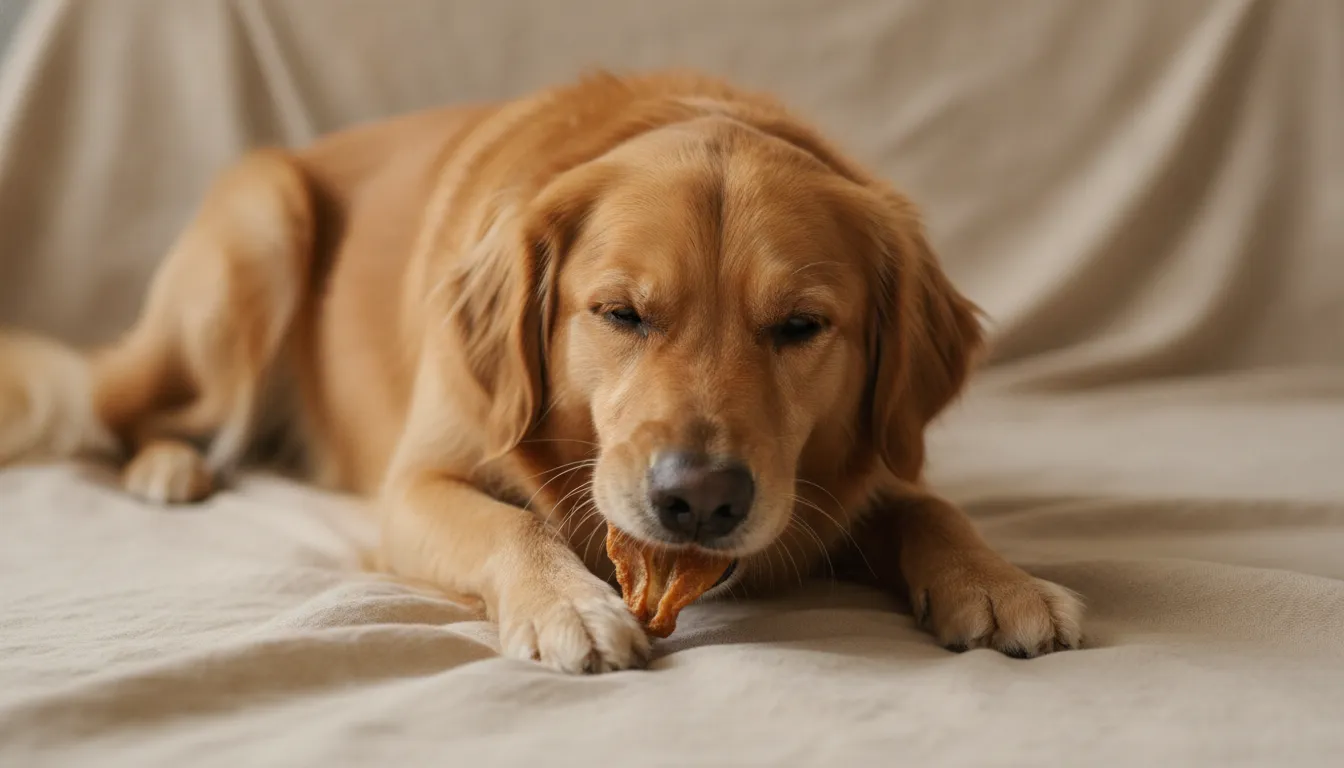
Supervise every session. Offer the chew in a calm area. Watch for attempts to gulp a large section. Remove any remaining piece that becomes small enough to swallow whole. A dog that consistently tries to swallow rather than chew may need a different format. Take a look at duck wings for dogs as another novel protein to expand your dog's rotational diet.
How to safely introduce rabbit ears with fur for dogs to your pet
Rabbit ears with fur for dogs should be introduced gradually into your pet's routine. Offer one appropriately sized piece under supervision in a quiet setting. Observe their chewing style carefully. Monitor their stool and digestive comfort for twenty-four hours. This ensures a safe transition before making this ancestral chew a regular Navan Pet wellness ritual.
If your dog has never experienced a chew with fur, approach the transition with care. Treat it as you would any new, high-quality food. Furry rabbit ears are scent-forward and highly stimulating, so most dogs love them. However, their digestive systems may need a short adjustment period to adapt to ancestral fiber.
We recommend following this six-step introduction protocol. This aligns with our clean dog treats framework to ensure a smooth and positive experience:
- Start Slow: For the first session, let your dog chew only half of a rabbit ear. Alternatively, remove it after 5 to 10 minutes. This allows digestive enzymes to adjust without stomach upset.
- Supervise Every Session: Always supervise your dog while they enjoy any natural chew. Ensure they chew the ear rather than swallowing large pieces whole.
- Encourage Slow Chewing: If your dog is an enthusiastic gulper, hold the base of the ear. This encourages proper, slow mastication as they chew the tip.
- Observe Their Stool: You may notice firmer stools containing visible fur in the next 24 to 48 hours. This is a direct sign of the mechanical sweeping action.
- Consult Professionals if Needed: If your dog experiences any signs of digestive discomfort, pause the sessions and consult your veterinarian.
- Maintain a Consistent Routine: Integrate furry rabbit ears into your dog's routine 2 to 3 times per week. This provides a steady, natural intestinal sweep and plaque control.
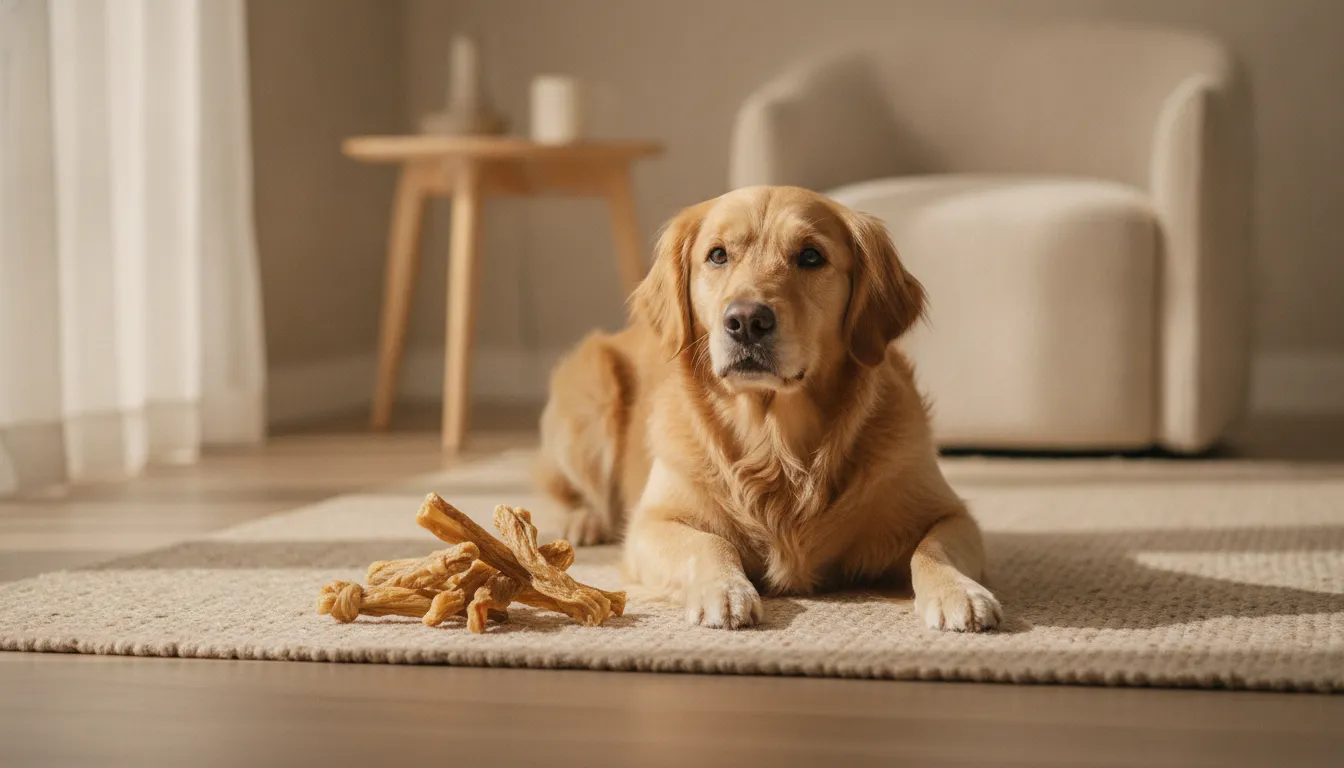
How do rabbit ears with fur for dogs compare with other single-ingredient chews?
Rabbit ears with fur for dogs are lighter and less dense than other single-ingredient options like duck necks, duck wings, or collagen sticks. This makes them a perfect gentle texture for rotational routines, allowing you to vary the mechanical action and protein sources in your dog's weekly wellness protocol.
To help owners understand how different textures support teeth, we created a guide to the best dog chews for teeth and chewing mechanics. When selecting the right texture, the goal is to pair your dog's chewing style with a safe level of bone density. For instance, rabbit ears are significantly lighter than dense bones. This makes them a perfect rotational option.
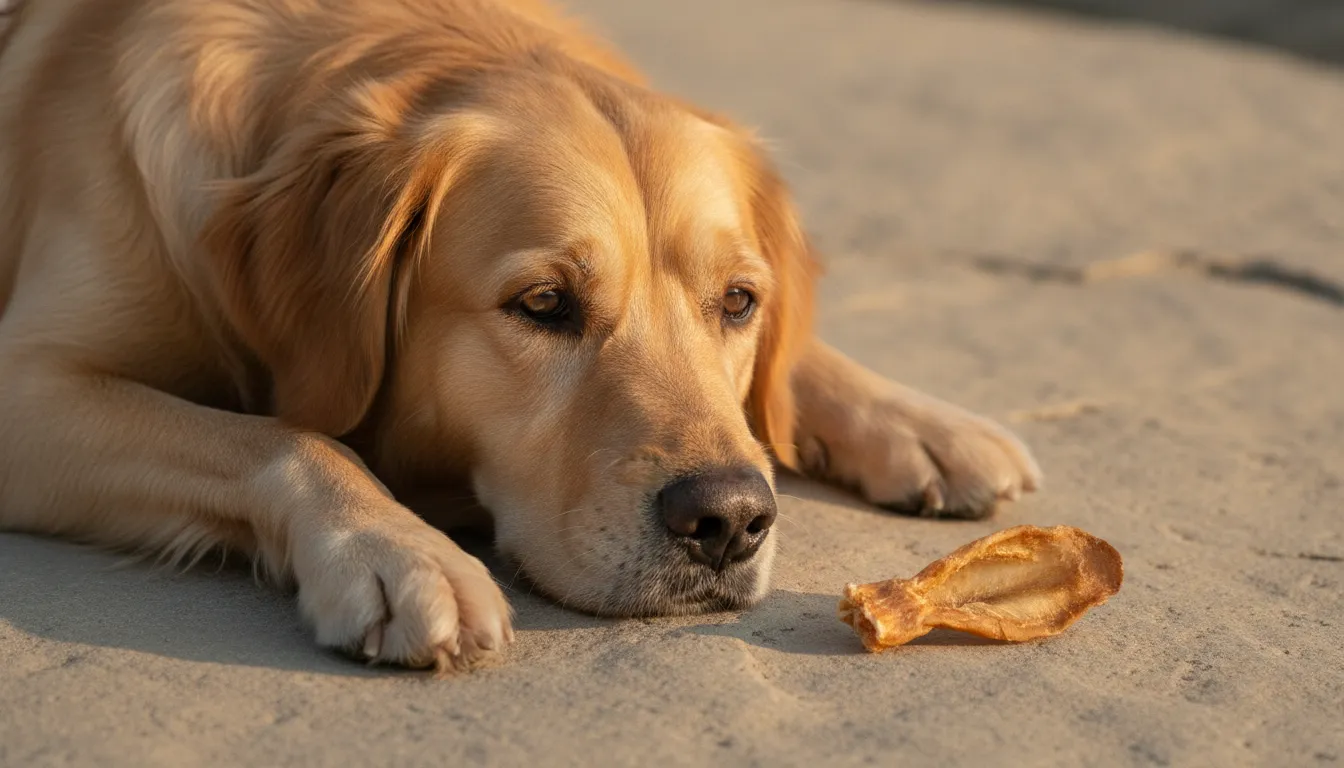
Below is a direct comparison of the single-ingredient options available in Navan Pet's rotation.
| Chew Type. | Texture & Density. | Best Suited For. | Key Wellness Benefit. |
|---|---|---|---|
| Rabbit Ears with Fur. | Light & Crisp. | Gentle to moderate chewers, small-to-medium dogs. | Intestinal sweep, zero-starch ancestral fiber, light mechanical dental contact. |
| Rabbit Necks. | Crunchy Bone & Meat. | All chewing styles, excellent for bone-diet starters. | Calcium and phosphorus delivery, active flossing around teeth. |
| Duck Wings. | Moderate Bone & Sinew. | Medium-to-large dogs, enthusiastic chewers. | Natural glucosamine and chondroitin, joint support, durable chewing. |
| Collagen Sticks. | Highly Dense & Long-Lasting. | Aggressive chewers, long chewing sessions. | Plaque reduction, concentrated animal protein source. |
Explore Navan Pet's complete range of single-ingredient dog chews to find a format matched to your dog's style. Alternatively, take our Navan chew quiz to get personalized recommendations.
Frequently Asked Questions
Are rabbit ears with fur safe for dogs?
Yes. Gently air-dried rabbit ears with fur are highly digestible and safe for dogs. Unlike rawhide, which is chemically processed and can swell in the stomach to cause dangerous blockages. Rabbit cartilage and skin break down completely in the highly acidic environment of a dog's stomach. The natural fur passes through the digestive tract safely, acting as a gentle physical sweep.
Do furry rabbit ears act as a natural dewormer?
While furry rabbit ears are widely praised in raw-feeding communities for their ability to sweep the digestive tract and assist with intestinal hygiene. They are not a medical treatment. They should not be used as a replacement for veterinary-prescribed deworming protocols or regular fecal testing. Instead, view them as a natural, supportive tool that promotes a clean, hostile environment for parasites by physically sweeping the intestinal walls.
Can puppies eat rabbit ears with fur?
Yes. Furry rabbit ears are excellent for puppies, especially those going through the teething phase. The soft cartilage provides a satisfying, safe chewing surface that helps soothe sore gums, while the single-ingredient profile is incredibly gentle on developing digestive systems. We recommend introducing them to puppies once they are fully weaned and have their set of puppy teeth, typically around 12 weeks of age. Always supervise puppies closely during chew sessions.
Are furry rabbit ears suitable for dogs with food allergies?
Furry rabbit ears are highly recommended for dogs with severe food sensitivities. Because rabbit is a novel protein (meaning it is rarely used in standard commercial pet foods). Most dogs have not been exposed to it and therefore have not developed sensitivities. It is an ideal alternative for dogs who react poorly to common protein sources like beef, chicken, or pork. Furthermore, because our chews contain only a single ingredient, there are no hidden fillers, starches, or artificial preservatives to trigger inflammatory responses.
How often should I feed rabbit ears with fur to my dog?
For most dogs, feeding furry rabbit ears 2 to 3 times per week is the ideal frequency to maintain a healthy digestive sweep and consistent plaque control. If you have a large dog or are using them as part of an active dental maintenance protocol. You can increase the frequency to 3 to 4 times per week as part of a balanced, rotating chew schedule. Always adjust your dog's primary meals slightly to account for the calories in their daily chews.
Will feeding fur make my dog's stool look different?
Yes. It is entirely normal to see changes in your dog's stool after they consume a furry chew. You may observe that the stool is firmer, bulkier, or contains visible pieces of fur. This is a clear indication that the insoluble ancestral fiber is doing its job, mechanically sweeping the large intestine and colon as it exits the body. This is a natural, healthy process and is not a cause for concern.