

Dog Bad Breath Home Remedy: What Helps
A consistent daily wellness routine is the foundation of lasting oral health and fresher breath. When your dog's breath changes, begin with calm observation, daily care, and veterinary guidance when the odor persists or comes with other symptoms.
Ready to build a cleaner daily oral care routine? Shop Navan Pet's single-ingredient whole-food chews.
A safe and effective dog bad breath home remedy starts with mechanical plaque removal through daily brushing and high-quality chewing. While some owners use apple cider vinegar or parsley as a temporary fix, these do not address the bacterial colonies living under the gumline. According to the American Veterinary Medical Association, nearly 80% of dogs show signs of oral disease by age three. The best home approach combines soft-bristle brushing with single-ingredient chews that scrape away debris naturally. You should also check your dog's diet to ensure it is free from starches that feed harmful mouth bacteria. Focusing on the root cause helps you maintain a healthy mouth without relying on masking agents.
What is the best dog bad breath home remedy?
The best home remedy for a dog with bad breath is a daily care routine that targets the root cause of the odor. Many owners look for quick ways to hide the smell, but truly fresh breath starts with oral care. Foul odors often stem from a buildup of plaque and tartar on the teeth and gums. By focusing on physical cleaning, you can reduce the germs that cause these smells.
Daily brushing for plaque control
Brushing your dog's teeth is the single most useful way to manage bad breath at home. This practice removes plaque before it can harden into tartar, which is much harder to clean. You should use a toothbrush and paste made just for pets. Human toothpaste often contains xylitol, which is toxic to dogs and should never be used.
Regular brushing keeps the mouth clean and supports a daily oral care routine. While it may take time for your pet to get used to the brush, the effort is worth the result. Daily care is the best way to prevent the growth of germs that leads to chronic bad breath.
The role of chewing
Chewing is a natural act that provides a physical cleaning effect for your dog's teeth. When a dog chews on firm, single-ingredient chews, the rubbing helps scrape away debris from the tooth surface. This action reaches areas that are often missed during a quick brushing session. It also helps make more saliva, which helps wash away food bits.
High-quality chews are a helpful tool for keeping a healthy mouth between expert cleanings. You should choose items that are lightly processed and free from added starches or binders. These clean options support oral health without feeding the germs that cause odors.
Natural aids and expert care
Fresh parsley may temporarily change breath odor, but it does not remove plaque or address the underlying cause. Do not add apple cider vinegar to your dog's water as a routine breath remedy. These approaches do not replace physical cleaning. Bad breath can often be a sign of dental disease, which affects most dogs by the age of three. According to the American Veterinary Medical Association, nearly 80% of dogs show signs of oral health issues by age three.
While home care is vital, it cannot replace expert vet checkups. You should have your dog's teeth checked at least once a year to find early signs of trouble. A full wellness plan combines daily home habits with expert care to keep your pet's breath fresh and their body healthy.
Why does a dog's breath smell bad?
Bad breath is more than just a minor trouble. For many pets, it is the first sign of a larger health issue. In fact, most dogs show signs of dental disease by the time they turn three years old. This issue often starts below the gum line where you cannot see it.
While you might look for a guide to what causes bad breath in dogs or a dog bad breath home remedy, it is vital to know the root cause first. Knowing why the smell happens can help you choose the best way to care for your dog.
Plaque and tartar buildup
The most common cause of foul breath is the buildup of plaque and tartar. When food and bacteria sit on the teeth, they form a sticky film. Over time, this film hardens into tartar.
According to the American Veterinary Medical Association, nearly 80% of dogs have some form of gum disease by age three. This can lead to pain, tooth loss, and infection. It can also cause whole-body inflammation, which affects health. Some dental chews use starches that can actually feed this bacteria, so choosing pure options is key.
Other health issues
Bad breath does not always come from the mouth. Sometimes, it is a sign of a problem with internal organs. For instance, breath that smells like urine could point to kidney issues. A sweet or fruity scent may be a sign of diabetes. Issues with the liver can also change how a dog's breath smells.
These whole-body illnesses need quick care from a vet. While a dog bad breath home remedy might help with minor smells, it cannot fix these deep health problems. Finding these issues early can save your dog from long-term pain.
Signs you need a vet
You should watch for more than just a bad smell. If your dog has loose teeth or gums that bleed, it is time for a checkup. Other red flags include a loss of hunger or trouble chewing.
Your vet should check your dog's teeth at least once a year. They can find early signs of decay before they become big problems. If you notice your pet is acting cranky or refuses to eat, do not wait for a yearly visit. These behavior changes often signal oral pain that needs expert help. A vet can look below the gum line to find what a simple home check might miss.
Build a daily oral wellness routine at home
A fresh mouth starts with a steady plan. You do not need hard tools to help your dog. Instead, focus on a few easy tasks to keep their breath clean and their body healthy. A consistent dental care plan focuses on physical cleaning rather than just hiding smells. By following these steps, you can find the root cause of dog bad breath home remedy needs.
Master the art of brushing
Brushing is the most vital part of home care. It stops the growth of bacteria that leads to bad smells. You must use a dog-safe gel or paste. Never use human products, as they often have things that can harm pets. Start slow to help your dog feel safe. Let them taste the paste first, then use your finger or a soft brush to clean their teeth and gums. This small act is the best way to prevent bad breath caused by bacteria.
Use natural chewing habits
Chewing is a natural way for dogs to clean their teeth. When a dog chews on a firm, whole-food treat, the friction rubs away plaque. This action helps keep the gum line healthy. Avoid goods with starches or fillers, as these can feed the very bacteria you want to stop. Stick to single-ingredient chews that help with cleaning. These tools work as a great addition to daily brushing but do not take its place.
Keep water and bowls fresh
Bacteria can grow in still water and dirty bowls. Clean your dog's water bowl every day with mild soap and water. This prevents a film from forming, which can lead to oral health issues. Always give fresh, clean water to help flush the mouth. While some suggest adding vinegar to the water, it is best to check with your vet first. Keeping the bowl clean is a simple and helpful step in your wellness plan.
- Pick the right time. Choose a calm time each day for brushing so your dog stays relaxed and ready.
- Apply dog-safe paste. Use a small amount of pet toothpaste that does not have added sugars or starches.
- Brush with care. Move the brush in small circles along the teeth and gum line to remove plaque before it hardens.
- Give a healthy chew. Offer a single-ingredient chew to provide extra cleaning through natural friction.
- Wash the water bowl. Scrub the bowl daily to remove slime and germs that can affect your dog's breath.
What helps, and what should dog owners avoid?
Finding a safe dog bad breath home remedy starts with knowing the difference between a real fix and a quick mask. Many owners look for easy ways to stop smells. But the best way to keep a dog's mouth clean is a steady plan. You should focus on methods that remove plaque rather than just hiding the odor. This helps keep your dog healthy for a long time. It also saves you from costly vet bills later.
Daily care and chewing routines
Daily care is the most helpful tool you have. The American Veterinary Medical Association says that brushing your pet's teeth once a day is the best way to prevent bad breath. This simple act stops bacteria from building up. It also keeps the gums strong. When you brush every day, you clear away food bits before they turn into hard tartar.
You can also use whole-food chews as part of a balanced natural dental care routine. These chews work by rubbing against the teeth as your dog eats. This natural friction helps wipe away soft plaque. But these tools work best when they do not have starches or binders. Pure, single-ingredient chews are better for your dog's gut and teeth than processed treats.
Chewing is a great way to support oral health, but it is not a total fix. It helps clean the parts of the teeth that do the work. But it cannot reach under the gumline where most disease starts. Nearly 80 percent of dogs have gum disease by the age of three. A good plan uses brushing, chewing, and vet visits together.
Common home remedies to avoid
Some popular tips for dog breath may do more harm than good. You might hear that coconut oil or apple cider vinegar works well. But these often lack proof and can upset a dog's stomach. While apple cider vinegar is often cited, you should be careful. It can be too acidic for some pets. Always talk to your vet before adding it to their water. Using safe tools is better than taking a risk with your pet's health.
Avoid using mints, breath sprays, or water additives with chemicals. These items only mask the smell for a short time. They do not fix the bacteria growth that causes the problem. Also, stay away from starch-based dental chews. These chews can feed the very bacteria you want to remove. Stick to whole foods that do not contain hidden sugars, grains, or fillers. This ensures you are not making the problem worse.
Comparing wellness vs. quick fixes
The following table shows the difference between a full wellness plan and common shortcuts. A good routine focuses on long-term health. Shortcuts often only hide signs for an hour or two. Relying on simple masks can let dental disease grow without you knowing it. A vet can check for deep infections that you cannot see at home.
| Care Type. | Examples. | Main Benefit. | Expert View. |
|---|---|---|---|
| Helpful Routine. | Daily tooth brushing. | Removes plaque and bacteria. | Best for home care. |
| Natural Support. | Single-ingredient chews. | Cleaning by chewing. | Helpful care tool. |
| Common Shortcut. | Water additives or mints. | Masks bad odor for now. | Avoid; does not fix root. |
| Folk Remedy. | Coconut oil or ACV. | None proven for oral health. | Avoid; can hurt stomach. |
Daily routine essentials
- Brush daily with a dog-safe toothbrush and toothpaste.
- Use supervised, appropriately sized whole-food chews for mechanical cleaning.
- Check the mouth regularly for redness, swelling, loose teeth, or bleeding.
- Schedule veterinary dental evaluations and cleanings as recommended.
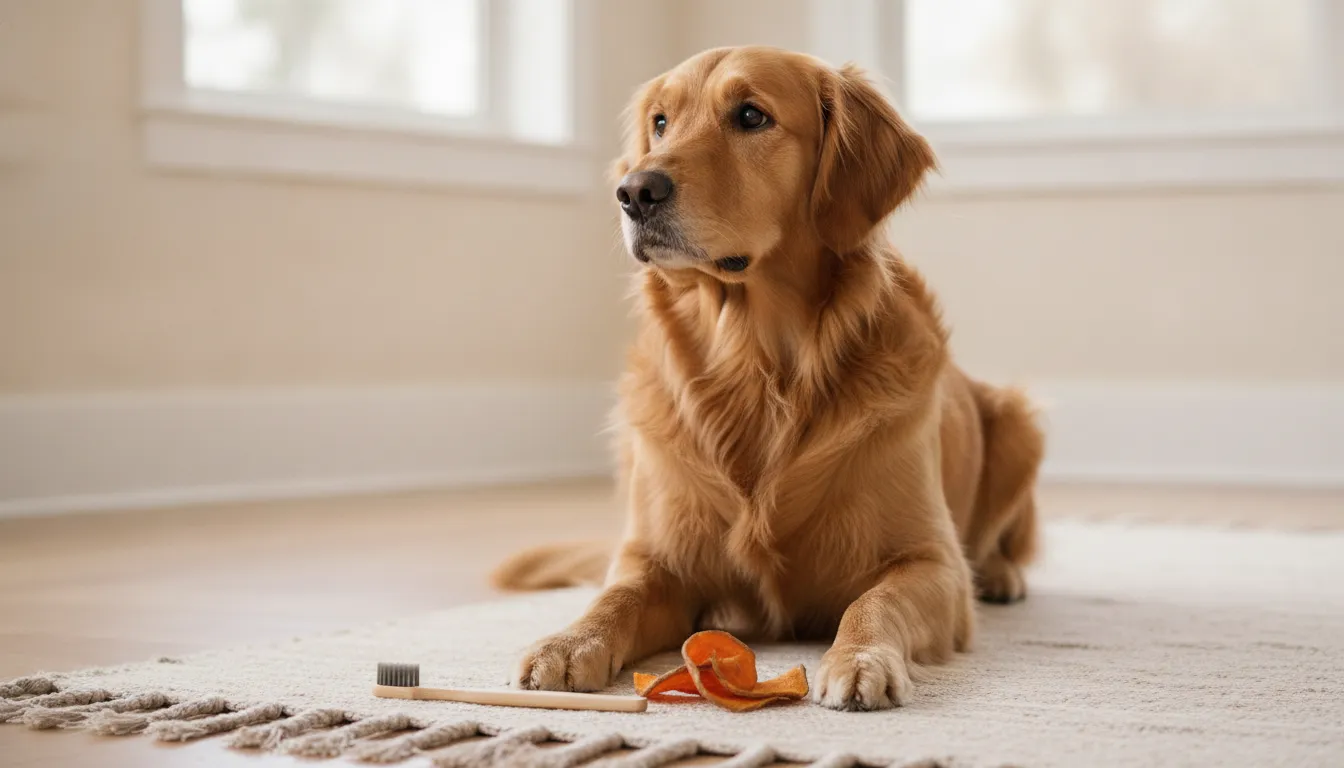
How whole-food chewing fits the routine
Whole-food chewing complements brushing by creating gentle mechanical friction against the tooth surface. Navan Pet's single-ingredient chews are designed to support this consistent wellness ritual without replacing daily brushing, veterinary checkups, or professional dental cleanings.
Dogs have a natural drive to chew. When they gnaw on a hard object, the motion helps scrub their teeth and gums. This action can act as a dog bad breath home remedy by moving plaque away before it turns into tartar. While it seems simple, the way a dog chews is a key part of their oral health. As they work through a chew, it reaches tight spots that food might miss.
But not all chews are equal. Many store-bought treats use starches as a base. These starches can stick to teeth and feed bad bacteria in the mouth. This can make breath worse over time. Choosing a chew with no fillers is a better way to support a transparent ingredient-first routine. Pure chews help keep the mouth clean without adding sugar or junk.
The way chewing cleans teeth
Chewing works through direct force. As the dog bites down, the chew rubs against the tooth. This helps scrape away the soft film known as plaque. If plaque stays on the tooth, it can harden into tartar in just a few days. Once tartar forms, it is much harder to remove at home. That is why daily chewing is such a helpful tool for dog owners. It provides a constant way to keep the teeth smooth and clean.
Choosing the right chew
To get the best results, look for single-ingredient products with clear labels. These should be simply made to keep their natural feel. A good chew should be tough enough to provide a challenge. But it should not be so hard that it breaks a tooth. You should also pick a size that fits your dog. A chew that is too small can be a risk for gulping. One that is too large might be hard for them to hold. You can find a range of pure, safe options in our Shop All section.
Safety and watching your pet
Always watch your dog when they have a chew. This prevents them from trying to swallow a large piece that could cause a block. You should also check the chew for sharp edges as it wears down. If a piece becomes small enough to swallow whole, take it away. Safety is the most vital part of any wellness plan. It keeps the ritual fun and risk-free for your pet.
Keep in mind that while chewing is helpful, it is not a cure for deep health issues. Bad breath can sometimes mean your dog has a systemic health issue like kidney or liver disease. Chews are a great way to maintain a clean mouth at home. But you still need to book regular checkups with a vet. Expert cleanings are the only way to reach deep under the gumline where disease starts.
When should bad breath prompt a veterinary visit?
Most dog owners assume that stinky breath is just part of being a dog. But strong or foul odors can signal that your pet needs professional help. While a dog bad breath home remedy like daily brushing can keep teeth clean, it cannot fix deep issues. If your dog's breath smells very bad, it is often a sign of dental disease. According to the American Veterinary Medical Association, gum disease affects most pets by the time they are three years old. This infection starts below the gum line where you cannot see it.
Watch for warning signs
Check your dog's mouth for more than just smell. You should book a vet visit if you see red or bleeding gums. These are clear signs of pain and infection. You may also notice that your dog drops food while eating or stops chewing on their favorite toys. Loose or broken teeth also need quick care from a pro. Tartar that looks like brown or yellow crust on the teeth is another sign that a deep cleaning is needed. These issues go beyond what a home routine can handle. Seeing a vet early for pet dental care can prevent more pain for your dog later.
Sudden changes in odor
Pay close attention if your dog's breath changes quickly. An unusual sweet, fruity, ammonia-like, or very foul odor deserves veterinary attention. Odor alone cannot identify the cause, and changes may relate to oral or whole-body health. A veterinarian can examine your dog's mouth and decide whether further testing is appropriate.
The limit of home care
Home care is meant to prevent new plaque from forming. It works best when you start with a clean mouth. If your dog already has thick tartar or red gums, a dog bad breath home remedy will not be enough to fix it. You must work with your vet to get a full exam. They can clean the teeth while your dog is under anesthesia. This is the only way to reach the bacteria hiding under the gums. Once your veterinarian confirms the mouth is ready for home care, you can go back to a bad-breath dental wellness routine to keep the breath fresh and the body well.
Frequently Asked Questions
Is apple cider vinegar safe as a home remedy for dog bad breath?
Do not add apple cider vinegar to your dog's water as a routine breath remedy. It does not remove plaque or address the cause of odor, and it may discourage drinking or upset some dogs. Ask your veterinarian before adding any home ingredient to your dog's diet or water.
Can crunchy vegetables act as a natural dog bad breath remedy?
Fresh, crunchy snacks like carrots or celery can help scrub a dog's teeth as they chew. This rubbing can move some food bits and plaque from the tooth surface. While these items are a healthy treat, they are not a full fix for bad breath. They should be seen as a way to help your dog's mouth stay clean between daily brushing sessions. Always cut them into safe, small pieces to prevent choking.
Does bad breath always mean my dog has dental disease?
While mouth health is the most common cause, bad breath can also point to other health issues. Strong odors can sometimes signal deep problems like kidney or liver disease. If a dog's breath smells very sweet or like waste, it may be a sign of a serious health state. According to the AVMA, you should track these smells and report any big changes to your vet for a full check.
When should I see a vet for my dog's bad breath?
You should seek expert care if your dog has bad breath along with loose teeth, red gums, or trouble eating. Other warning signs include more drooling or changes in how they act. Some pets become moody when they have mouth pain. Early checkups are vital to find problems below the gum line that a home fix cannot reach. These visits also cost less than treating a deep infection after it has grown.
Build a thoughtful daily oral wellness routine
A consistent routine can support a cleaner mouth without promising a quick fix. Pair daily brushing with supervised, appropriately sized whole-food chewing and regular veterinary dental care. Choose transparent, single-ingredient options that fit your dog's needs, and ask your veterinarian about persistent odor or other changes.
Ready to build your dog's daily wellness ritual? Shop Navan Pet's single-ingredient whole-food chews.