

Dog Breath Mints vs. Chews: What Fits a Routine?
Dog Breath Mints vs. Chews: What Fits a Routine?
Dog breath mints are products designed to change breath scent, while dental chews rely on chewing action to support oral hygiene. Neither replaces daily brushing or veterinary dental care. For a consistent wellness routine, focus first on mechanical cleaning, transparent ingredients, and changes in breath that may deserve a veterinarian's attention.
Explore Navan Pet's single-ingredient chews and choose a minimally processed option that fits your dog's daily routine.
The practical difference: a breath mint mainly changes scent for a limited time. A suitable dental chew gives the teeth more contact with a textured surface as the dog chews. Brushing remains the foundation of home care, and regular veterinary exams address what home routines cannot.
Dog breath mints versus dental chews at a glance
Breath and oral hygiene are related, but they are not interchangeable. A mint may make a dog's breath smell different without changing the plaque on the teeth. A chew may offer more mechanical contact, but its value depends on its texture, size, ingredients, and how the individual dog chews it.
| Routine question | Dog breath mints | Dental chews |
|---|---|---|
| Primary role | Temporarily changes breath scent | Supports mechanical cleaning through chewing |
| Contact with teeth | Usually brief | Varies by shape, texture, and chewing style |
| Ingredient review | Check carefully for sweeteners, starches, and additives | Favor transparent, simple ingredient lists |
| Place in a routine | Not a substitute for oral hygiene | A complement to brushing and veterinary care |
This distinction matters because freshness can be a useful observation, not the only goal. A strong or sudden breath change may be worth discussing with a veterinarian, especially when it appears with red gums, difficulty eating, or unusual behavior. Masking that change does not explain it.
Why a fresh scent is not the same as oral hygiene
Short answer: oral hygiene depends on removing plaque and monitoring the mouth, not simply changing its scent. A mint can affect what you smell, but it cannot show whether the teeth and gums are healthy.
Plaque is a film that forms on teeth. The American Veterinary Medical Association's dental care guidance explains that regular oral care and veterinary evaluation are important parts of a pet's health. Research also shows that periodontal conditions are common in dogs, with risk shaped by factors including age and size. One peer-reviewed overview is available through PubMed Central.
The useful question is not simply, "Does my dog's breath smell better?" It is, "What does this product contribute to the routine?" A scent-focused product provides a sensory change. Brushing provides direct cleaning. A properly selected chew may add mechanical action. An exam allows a veterinary professional to assess areas that are difficult to see or clean at home.
Breath changes are information
Normal breath varies after meals and chews. A persistent, sharp, or sudden change is different. It can be a reason to look more closely at the mouth and ask a veterinarian for guidance. This is why Navan Pet's education-first approach does not frame freshness as a cosmetic problem to cover up.
Mechanical cleaning requires contact
For a chew to support oral hygiene, the dog has to chew it rather than swallow it quickly. The correct size and texture matter, and dogs should be supervised. Chewing is still only one layer of care. It does not clean every tooth surface or replace brushing and professional dental cleanings.
How do ingredients change the comparison?
Start with the label: a short, clearly identified ingredient list makes it easier to understand what your dog consumes. Products made primarily to hold a shape or deliver a flavor may rely on binders, starches, sweeteners, glycerin, or artificial additives.
Ingredient literacy is especially important when a product will be used every day. Some breath-focused treats use starches or sweeteners to form a soft, uniform mint. Navan Pet takes a different approach: single-ingredient, minimally processed, whole-food chews designed to fit a consistent wellness protocol.
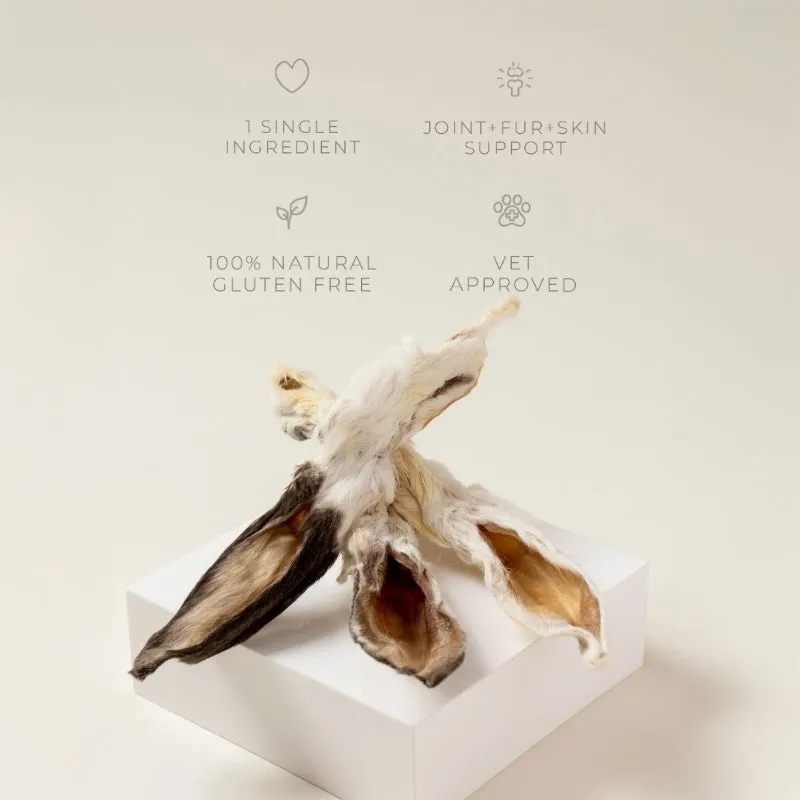
The difference is not about making a conventional treat sound more premium. It is about removing unnecessary complexity. On Navan Pet's About page, the daily protocol is built around consistency. The Navan Pet FAQ also explains the brand's single-ingredient philosophy and how to choose an option for an individual dog.
A simple label-reading checklist
- Look for a clearly named ingredient rather than a vague flavor.
- Notice starches, fillers, binders, glycerin, sweeteners, and artificial additives.
- Choose a size and texture appropriate for your dog's chewing style.
- Supervise chewing and provide fresh water.
- Ask your veterinarian about dietary restrictions or dental concerns.
Whole-food sourcing does not turn a chew into a medical product. It gives owners a clearer way to evaluate what belongs in a daily routine while supporting Navan Pet's broader focus on oral, gut, joint, and whole-body wellness.
Match the chew to the individual dog
No single chew format is right for every dog. A gentle chewer and an enthusiastic chewer interact with the same product differently. Size, age, dental history, food sensitivities, and chewing behavior should all shape the choice.
Observe the first few sessions closely. The dog should work on the chew rather than try to swallow it whole. Take away small pieces, keep water nearby, and follow the product's serving guidance. Ask your veterinarian before introducing a chew if your dog has damaged teeth, a restricted diet, or a history of swallowing objects.
This individual approach is part of ingredient literacy. A transparent label helps you understand the food itself. Careful observation helps you understand how that food functions in your dog's real routine.
Where do dog breath mints fit in a routine?
Dog breath mints are optional scent-focused products, not the foundation of dental care. If you choose one, review its ingredients and use it only alongside brushing, monitoring, suitable chewing, and veterinary care.
The appeal of a mint is clear: it is quick, familiar, and easy to give. That convenience can make a mint feel like a complete answer when the result is noticeable right away. Yet the noticeable result is a change in scent. It does not tell you whether plaque was removed or whether the gums need attention.
That does not mean every dog-specific mint is inherently unsafe. It means the product's role should be understood accurately. Check the label, follow serving directions, and never use human mints. If fresh scent makes it harder to notice an ongoing breath change, the product may work against useful observation.
Questions to ask before buying a mint
- Is the complete ingredient list clear and specific?
- Does the formula rely on starches, sweeteners, glycerin, or artificial additives?
- Is the product intended only for dogs?
- What does it contribute beyond changing scent?
- Could it distract from a change that needs veterinary attention?
For health-conscious owners, the most valuable product is not necessarily the one with the fastest sensory result. It is the one whose purpose, ingredients, and place in the routine are easy to understand.
How to build a daily oral wellness routine
A balanced daily routine has three layers: brush the teeth, add an appropriate supervised chew, and monitor the mouth. Regular veterinary exams and cleanings remain essential because home care cannot assess or clean every area.
- Brush daily. Use a toothbrush and toothpaste made specifically for dogs. Never use human toothpaste, since some formulas contain xylitol, which is toxic to dogs.
- Add supervised chewing. Select a chew suited to your dog's size and chewing style. Remove pieces that become small enough to swallow.
- Read every label. Favor transparent sourcing and minimal processing. Avoid using a mint or additive as a substitute for cleaning.
- Observe changes. Check the teeth and gums, and pay attention to changes in breath, eating, or chewing behavior.
- Keep veterinary appointments. Ask your veterinarian how often your dog needs an oral exam and professional cleaning.
Consistency is more useful than chasing a quick result. Brushing at the same time each day makes the ritual predictable. Following it with an appropriate chew can make the routine easier to maintain. Navan Pet's collection of single-ingredient chews offers different formats for different chewing styles.
Shop the Navan Pet protocol to find a transparent, single-ingredient chew for your dog's routine.
What consistency looks like over time
A useful protocol should be simple enough to repeat. Keep the toothbrush and dog toothpaste in one place. Choose a regular time for brushing. Follow with the selected chew when appropriate, then make a quick visual check of the mouth. This turns oral care from an occasional response into a familiar part of the day.
Track what you notice without expecting a chew to produce a medical outcome. Is the dog comfortable during brushing? Does the chew last long enough for measured chewing? Are there new changes in the gums, teeth, breath, appetite, or behavior? Notes like these can make conversations with your veterinarian more useful.
Navan Pet frames daily chewing as one part of a broader wellness protocol. The point is not to promise a shortcut. The point is to make a transparent, whole-food choice that complements the care owners and veterinary professionals already provide.
When should a breath change prompt a veterinary visit?
Contact your veterinarian when bad breath is persistent, unusually strong, or paired with visible or behavioral changes. A mint should not be used to postpone an exam.
Look for red or bleeding gums, loose or damaged teeth, heavy buildup, facial swelling, drooling, difficulty eating, or a sudden change in food interest. These signs deserve professional attention. Even when the mouth looks normal, a veterinarian can evaluate concerns that are not visible at home.
Dental chews have limits too. They may support mechanical cleaning above the gum line, but they do not remove hardened tartar or replace a professional cleaning. Quiet, early attention is the better path: notice the change, keep the daily routine steady, and seek veterinary guidance when something seems different.
Prepare for a useful veterinary conversation
Before the visit, note when the breath change began and whether it is constant or occasional. Record any changes in eating, chewing preference, drooling, or mood. Tell the veterinarian which chews, mints, foods, supplements, and toothpaste your dog uses.
A photo may help document a visible change, but it cannot replace an examination. These details help the veterinarian see the whole routine. They also keep the conversation focused on the dog's health rather than masking one symptom.
Frequently asked questions about dog breath mints
Do dog breath mints clean a dog's teeth?
Most dog breath mints are designed mainly to change scent. They generally do not provide the sustained tooth contact associated with brushing or chewing. Review the ingredient list and do not treat a mint as a replacement for oral hygiene or veterinary care.
Are dog breath mints safe?
Safety depends on the product, ingredients, serving size, and the individual dog. Never give a dog human mints, since they may contain xylitol. Ask your veterinarian before adding a new product, especially if your dog has dietary restrictions or health concerns.
Can a dental chew replace brushing?
No. A suitable chew can complement brushing by adding supervised mechanical action, but it cannot reach every tooth surface. Daily brushing and regular veterinary dental care should remain part of the routine.
What should I look for in a daily chew?
Look for transparent sourcing, a clearly identified ingredient, minimal processing, and a size and texture suited to your dog. Supervise every chewing session and ask your veterinarian for guidance if you are unsure.
Choose the routine, not the quick cover-up
Dog breath mints and dental chews serve different purposes. If freshness is the only result, the underlying oral routine has not changed. Brushing, ingredient-aware chewing, observation, and veterinary care work together as a more complete wellness protocol.
Ready to make the routine simpler? Shop all Navan Pet chews and choose a single-ingredient option suited to your dog.